Most writing about the Kemang neighborhood Jakarta starts after dark, which does the place a disservice. Between eight in the morning and seven in the evening this is a different district entirely: a low-rise grid of converted houses in South Jakarta where the ground floor is a roaster, the first floor is a fashion label’s studio, and the garden out back has been turned into a plant shop. Time Out put Kemang 28th on its 2025 list of the world’s coolest neighbourhoods, and while that ranking is the kind of thing you should take with salt, the daytime version of Kemang is the part that earned it. Coffee, galleries, murals, teak furniture, imported cheese and a school run in Land Cruisers.
This guide covers Kemang between breakfast and dusk. For the pub strip, the live music and the crawl, read our separate Kemang nightlife guide, which handles the evening properly. To see how Kemang sits against Menteng, Kota Tua, SCBD and the rest, start with the Jakarta neighbourhoods guide, then read the wider South Jakarta area guide for context on the districts either side, and the Central Jakarta guide if you are weighing up where to base yourself.
There Is No Single Kemang: The Four Streets That Matter
People talk about the Kemang neighborhood Jakarta as though it were one street. It is four, and they behave differently. Getting this right saves you an hour of pointless Grab hops, because although the whole area is only about two kilometres end to end, the traffic on Jalan Kemang Raya means a 900-metre journey can take twelve minutes.
Jalan Kemang Raya is the spine. It runs roughly north to south and carries the bulk of the through-traffic, the banks, the chain coffee shops, the furniture showrooms, Lippo Mall Kemang at the northern end, and the largest concentration of restaurants. This is the street with the worst pavements and the best density. If you only have three hours, you spend them here and on the lanes hanging off it.
Jalan Kemang Timur runs parallel to the east and is the interesting one. It is longer, quieter, less polished, and it is where the antique dealers, the furniture warehouses, the reclaimed-teak yards and a good scatter of independent cafes and small galleries have settled. It also runs a long way south, well past the point most visitors think Kemang ends, so check the house number before you set off; Kemang Timur numbers in the 800s are a genuinely different trip from the 40s.
Jalan Kemang Selatan is greener and more residential, thick with walled compounds, embassy housing and the occasional gallery that has taken over an old family villa. Gajah Gallery sits down here. So do several of the better spas and a couple of the quieter brunch spots. It feels like a suburb because it is one.
Bangka — Jalan Kemang Utara and the Bangka Raya lanes running off toward the east — is where a lot of the newer, younger, cheaper places have gone as Kemang Raya rents climbed. Small roasters, ramen counters, tattoo studios, secondhand clothing. If Kemang Raya feels a bit corporate to you, Bangka is the correction.
| Street | Character | What it is good for | Worth your time if |
|---|---|---|---|
| Jalan Kemang Raya | Busy commercial spine, heavy traffic | Restaurants, mall, banks, furniture showrooms, delis | You have limited time and want density |
| Jalan Kemang Timur | Long, low-rise, workaday | Antiques, teak and rattan furniture, small galleries, indie cafes | You are shopping for interiors or hunting murals |
| Jalan Kemang Selatan | Leafy, residential, walled compounds | Galleries in old villas, spas, quiet brunch | You want a slow morning rather than a shopping trip |
| Bangka / Kemang Utara | Younger, scrappier, cheaper | Small roasters, casual food, studios, secondhand | You are under 35 or on a budget |
Getting There, and Why It Costs You an Hour
Here is the thing nobody selling you a Kemang day tour will lead with: there is no MRT station in Kemang, and there is no realistic prospect of one soon. The North–South line runs down Sudirman and out to Lebak Bulus, passing well to the west. The nearest useful stations are Blok M BCA and Haji Nawi, and from either you still need a ten to twenty minute ride east. Our Jakarta MRT guide has the line map and fares if you want to do the hybrid version.
In practice you take a car. From Menteng or Monas, budget 30 minutes at 9am on a Sunday and 60 to 75 minutes at 5pm on a Friday. From Sudirman or SCBD it is 20 to 40. From Soekarno-Hatta airport, 60 to 110 minutes and pack your patience. Grab or Gojek car will run roughly IDR 45,000 to 90,000 from central Jakarta depending on time of day and surge; a motorbike is half that and a third of the time, and if you are travelling solo with a small bag it is genuinely the smart choice. Compare the two apps in our Grab vs Gojek comparison, and read how to avoid Jakarta traffic before you plan the day, because arriving at the wrong hour is the single most common way people ruin a Kemang trip.
Once you are in, walking is possible but not pleasant. Pavements on Kemang Raya are broken, occupied by parked motorbikes, or simply absent for stretches. There are few pedestrian crossings and drivers do not expect you. Locals hop between clusters by Gojek for IDR 10,000 to 18,000 a time, and that is what you should do too: walk the interesting 400-metre stretches, ride the boring ones. Our guide to getting around Jakarta covers the mechanics.
Coffee, Which Is the Real Reason to Come in the Morning
Kemang was an early adopter of Indonesian third-wave coffee and it never lost the habit. The advantage over Senopati or Cipete is space: Kemang cafes tend to occupy whole houses with gardens, so you get a table rather than a stool.
One Fifteenth Coffee is the benchmark. The Kemang branch does single-origin espresso and filter, and the tasting flight lets you put three origins side by side, which is a fast education in why Gayo tastes nothing like Kintamani. Expect IDR 35,000 to 60,000 for a filter. Goni Coffee, over on the Kemang Timur side, is quieter and more deliberately local in its sourcing; the owners trained in Sydney and the flat whites show it. Anomali Coffee has a Kemang outlet and is the reliable, slightly corporate option — perfectly good, roasts in-house, and the one to pick if you want certainty rather than adventure. Komunal 88 on Kemang Timur has been going for a decade as a cafe-and-market hybrid with its own bakery, which makes it the best single stop if you want coffee and breakfast in the same building.
Two practical notes. First, most independent cafes open between 07:00 and 09:00 and the good ones fill with laptops by 10:30; if you want a table by the window, be early. Second, Kemang cafes are among the most laptop-tolerant in Jakarta and the wifi is generally decent, which is why the area has quietly become a remote-work base. Nobody will move you on for occupying a table for three hours over one IDR 45,000 pour-over.
Brunch, and the Long Kemang Breakfast
Brunch in Kemang is a genuine institution rather than a marketing category, largely because the expat population made it one. Weekend brunch runs from about 08:00 to 15:00 and the better places take bookings from Thursday. Prices sit well above street-food Jakarta: a proper brunch plate is IDR 85,000 to 165,000, and remember that most sit-down restaurants add around 21% in service and tax on top of the menu price, so mentally add a fifth to everything you read on a board.
The mix is broad — Australian-style cafes, a couple of long-running European places, Middle Eastern, and increasingly good Indonesian breakfast done in a cafe setting. If you would rather eat local for a third of the price, the warungs on the side lanes off Kemang Raya do nasi uduk and lontong sayur from about IDR 20,000, and they are open from dawn. Our nasi uduk guide explains what you are ordering, and the broader Jakarta food guide is worth a read before any eating day in this city. Vegetarians are unusually well served here compared with the rest of Jakarta; see our vegetarian and vegan Jakarta guide for the specifics.
Galleries: The Best Reason to Get Off the Main Road
Dia.lo.gue Artspace on Kemang Selatan is the one to prioritise. It is a converted house with a courtyard, a design shop and a cafe, entry to exhibitions is free, and the programme leans toward contemporary Indonesian work with a design bent. Hours are roughly 09:30 to 18:00 on weekdays and later at weekends, though these have shifted over the years, so check before a special trip.
Edwin’s Gallery has been running since 1984 and is one of the oldest private galleries in the country, with a substantial exhibition space and a serious collection behind it. Typical hours are Monday to Saturday, 09:00 to 17:00. Gajah Gallery opened its Jakarta branch on Kemang Selatan in 2022 as an offshoot of the Singapore original, and it programmes ambitiously; hours run to about 20:00, which is unusual and useful. Hadiprana, on Kemang Raya, dates back to 1961 and sits inside an interior-design business, so the art and the furniture blur together. 2Madison mixes contemporary art with homeware and is more shop than gallery, which is not a criticism.
None of these charge admission, all of them are quiet on weekday mornings, and between them you can build a two-hour circuit that costs nothing. That is a rare thing in Jakarta. If contemporary art is genuinely your reason for the trip, though, be honest with yourself: Museum MACAN in West Jakarta is a bigger and better-curated experience, and Kemang is the supporting act. The broader Jakarta Museums and Cultural Sites: The Complete Guide (2026) roundup puts both in context.
The Mural Walk
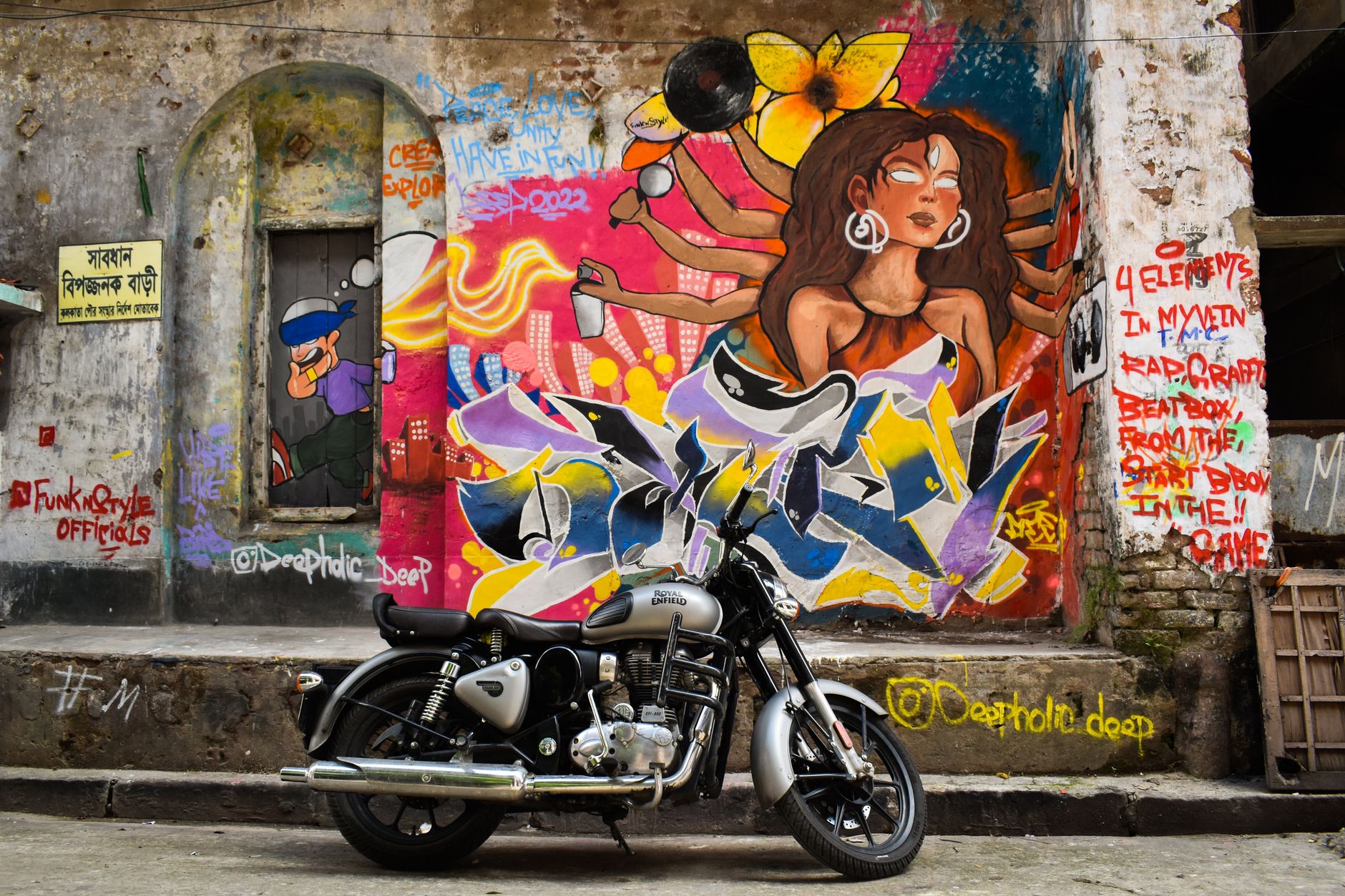
Kemang’s street art is not a curated trail with a map and a QR code. It is a scatter of commissioned walls, artist-and-business collaborations and unsanctioned pieces that appear and get painted over. That makes it more rewarding and more frustrating than a proper mural district.
The densest concentrations are around Jalan Taman Kemang and the lanes off the northern end of Kemang Timur, where cafes and small shops have handed their side walls to local artists. Work turns over fast: a wall you saw photographed in a 2024 blog post is a decent bet but not a guarantee. Walk it between 08:00 and 10:00 for light and for the pavement being briefly free of parked bikes, and treat it as a hunt rather than a checklist. An hour is plenty.
Do not photograph inside private compounds or through gates, and ask before shooting shopfronts with staff in frame. Jakarta is relaxed about street photography but Kemang has a lot of residential frontage.
Antiques, Teak and the Kemang Timur Furniture Hunt
This is Kemang’s most distinctive daytime activity and the one that gets least coverage. Jalan Kemang Timur and its side streets hold a long run of antique dealers, reclaimed-timber yards and furniture showrooms, some of them warehouse-scale. You will find colonial-era Dutch pieces, Javanese carved panels, old teak dining tables, rattan, Chinese-Indonesian cabinetry, ship lamps, batik textiles and an enormous quantity of confident reproduction.
Saniharto on Kemang Raya has been trading since the early 1990s and is the serious end. Klots Home Furnishing and Confetti sit on Kemang Timur and are good for smaller pieces and textiles. There are a dozen unnamed shopfronts between them worth pushing the door on.
Three honest warnings. Prices are pitched at expats and the upper-middle class, so they run well above what the same object costs in Solo or Jepara. “Antique” is used loosely; if provenance matters to you, ask direct questions and expect vague answers. And shipping is the real cost — international freight on a single teak cabinet can exceed the price of the cabinet. Bargaining is normal and expected, and 20 to 30% off the first quoted price is a reasonable landing zone if you are polite and unhurried.
If you want the same instinct at a tenth of the price, the city’s flea markets and vintage shops are a better use of a morning, and our guide to Indonesian handicrafts in Jakarta covers where to buy pieces you can actually get on a plane.
Boutiques, Concept Stores and Bookshops
Kemang’s independent retail has thinned since its mid-2010s peak — online retail hit Jakarta’s small boutiques hard, and several of the names that appear in older listicles have gone. What survives tends to be a hybrid: shop plus cafe plus event space, because a single revenue stream no longer covers Kemang rent.
The pattern to look for is a converted house with a courtyard, a rack of Indonesian designer labels, a plant section and somewhere to sit. ONNI House is the most-photographed version of this — restaurant, retail and a flower studio inside a garden house. Papilion runs a market-plus-kitchen-plus-bakery format. Locally designed clothing here is not cheap: a dress from an Indonesian label runs IDR 700,000 to 2,500,000, jewellery from IDR 350,000.
Bookshops are a weak spot. Kemang has cafes with bookshelves rather than serious bookshops, and if you want English-language stock in volume you are better off at the Periplus and Kinokuniya branches inside the big central malls — see our Jakarta malls guide. For batik as a purchase rather than a souvenir, our guide to buying batik in Jakarta is more use than anything you will find on Kemang Raya, and the general Jakarta souvenirs guide covers what is actually worth carrying home.
Spas, Massage and the Wellness Hour
Kemang has a deep bench of spas because the expat population sustains one, and the standard is generally higher than the tourist-facing places in Central Jakarta. A 60-minute Balinese massage runs IDR 150,000 to 300,000 at a neighbourhood spa and IDR 400,000 to 700,000 at the polished end. Reflexology is cheaper, from about IDR 100,000 an hour. Most open around 10:00 and take last bookings at 20:00 or 21:00.
Two practical points. Book ahead at weekends, when the good places fill from Friday. And the cheap kerbside massage signs on Kemang Raya vary enormously in quality and in what is being offered; if the frontage is opaque and the lighting is odd, keep walking. The reputable spas make their treatment lists and prices visible.
Slotting a 90-minute massage into the middle of a Kemang day is, honestly, the best structural decision you can make. It fills the 13:00 to 15:00 window when the heat peaks, the galleries feel empty and walking is miserable.
Where the Expat Life Is Visible
Kemang has been Jakarta’s principal foreign-resident neighbourhood since the 1970s, and the daytime infrastructure reflects that in ways a visitor will find either charming or slightly absurd.
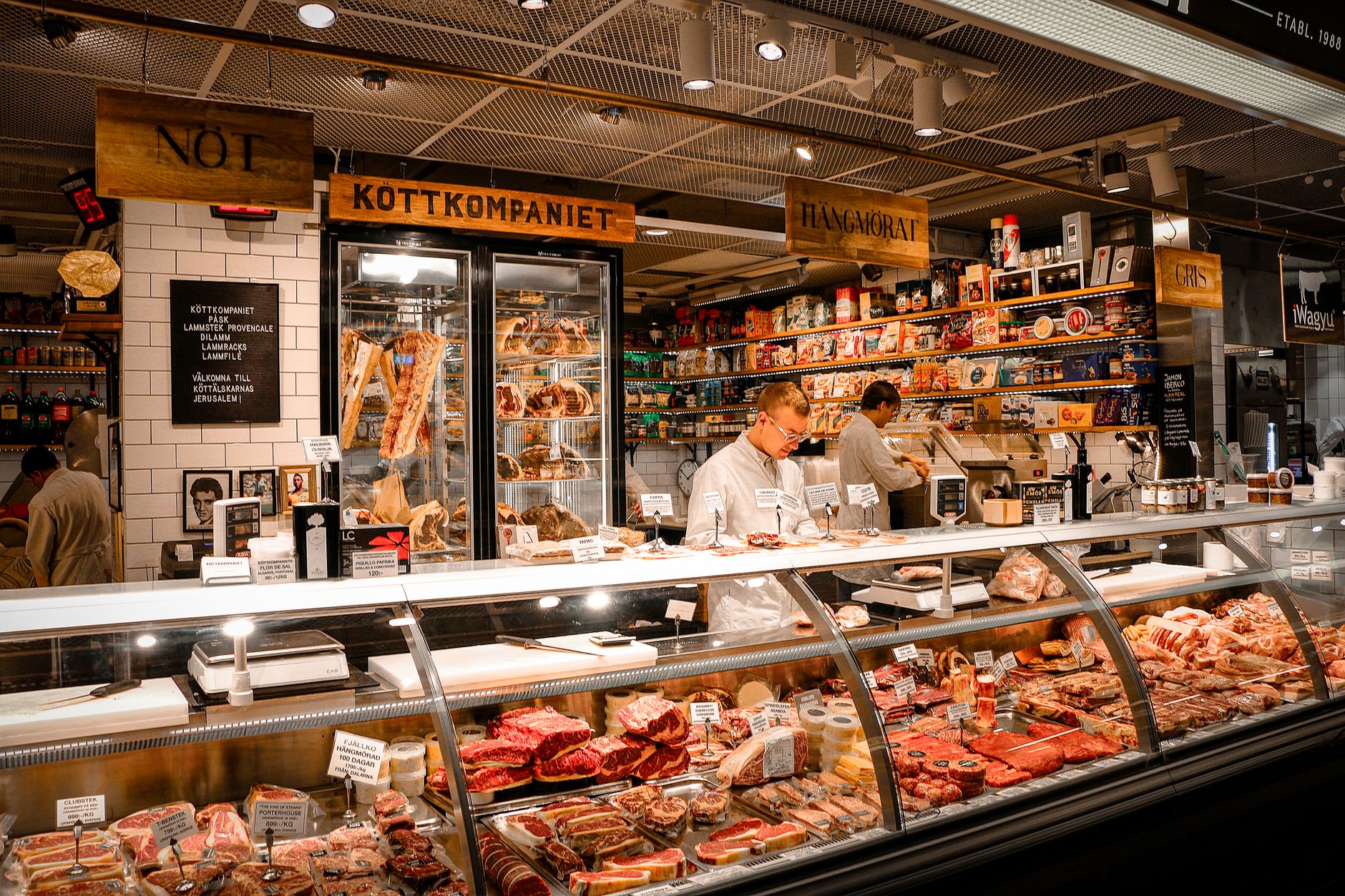
Kem Chicks on Kemang Raya is the institution: an imported-goods supermarket that has been serving the diplomatic and corporate crowd for decades, with a butcher counter, European cheese, proper bacon and a range of things you will not find in an Indomaret. Ranch Market is the other option and is broadly similar. Both are interesting to walk through even if you buy nothing, if only for the pricing — a wedge of imported cheddar at IDR 180,000 tells you something about the economics of expatriate life.
The school run is the other tell. Several international schools sit in or near Kemang, including the Australian Independent School and the New Zealand School, with others a short drive away. Between 07:00 and 08:00 and again from 14:30, Kemang Raya and Kemang Selatan clog with SUVs and school buses, and your Grab estimate quietly doubles. Plan around it.
You will also find a cluster of international clinics, a couple of dental practices with English-speaking staff, and delis and bakeries that would not look out of place in Melbourne. If you are considering Kemang as a base rather than a day trip, our South Jakarta hotels guide and the wider best areas to stay in Jakarta comparison are the places to start.
Weekend Markets, Pop-Ups and Sundays
Kemang does not have a permanent weekend market on the scale of, say, a European farmers’ market, and articles that promise one are usually describing a one-off. What it has instead is a rolling calendar of bazaars and pop-ups, most of them hosted at Lippo Mall Kemang at the north end of Kemang Raya. These run for three or four days at a time, typically 10:00 to 22:00, usually free to enter, and typically feature well over a hundred small Indonesian brands selling clothing, ceramics, skincare and food. The mall publishes the schedule on its own events page, and that is the only reliable way to know what is on the weekend you are there.
Beyond that, individual cafes and concept stores run their own Saturday and Sunday markets in their car parks and courtyards — plant swaps, vinyl fairs, sample sales, small-batch food. These are advertised almost exclusively on Instagram a week ahead. If you are in Jakarta and want a market with more guaranteed substance, our traditional markets guide and the Jakarta food markets guide point you at places that are on every week regardless.
Kemang With Children
Kemang is more child-friendly than most of Jakarta, mainly because so many of its cafes have gardens and so many of its residents have children. Several venues run dedicated play areas, and Lippo Mall Kemang has the usual indoor package — cinema, arcade, soft play, air conditioning — which matters more than it should when it is 33 degrees and humid or when the afternoon rain arrives.
What Kemang does not have is a park worth crossing town for. There is no significant public green space inside the neighbourhood; the greenery is behind walls. For actual outdoor space with children you want Ragunan Zoo, which is a 20 to 30 minute drive south, or Taman Mini out east. Our things to do in Jakarta with kids guide ranks the options honestly, and Jakarta’s indoor attractions is the list to have open when it rains.
What a Day in Kemang Actually Costs
| Item | Budget day | Comfortable day | Indulgent day |
|---|---|---|---|
| Return transport from central Jakarta | IDR 50,000 (motorbike) | IDR 140,000 (Grab car) | IDR 400,000 (car with driver, half day) |
| Coffee | IDR 25,000 | IDR 55,000 | IDR 110,000 (tasting flight) |
| Breakfast or brunch | IDR 25,000 (warung) | IDR 140,000 (cafe, inc. tax) | IDR 320,000 (two courses, inc. tax) |
| Galleries | Free | Free | Free |
| Massage | IDR 120,000 (60 min reflexology) | IDR 250,000 (60 min Balinese) | IDR 650,000 (90 min spa package) |
| Local transport within Kemang | IDR 30,000 | IDR 60,000 | Included |
| Rough total per person | IDR 250,000 | IDR 645,000 | IDR 1,480,000 |
Shopping is excluded because it is unbounded. Note the 21% service-and-tax uplift is already folded into the food figures above; a lot of budget guides quote menu prices and then wonder why the bill is a fifth higher. For a wider view of what things cost across the city, see our Jakarta transport costs breakdown and the budget travel in Jakarta guide.
The Downsides, Stated Plainly
Kemang floods. Parts of it sit low against the Krukut river, and in the November to March wet season the afternoon downpours can put water across Kemang Raya within an hour. The severe events make the news, but a 30-centimetre inundation that strands you in a cafe for two hours is a routine wet-season occurrence and does not. If you are visiting between November and March, do Kemang in the morning and be out by 15:00.
The pavements are bad. Genuinely bad — broken slabs, open drain covers, motorbikes riding on them. Anyone with mobility limitations or a pushchair will find Kemang difficult. Wear shoes you do not mind ruining.
Venue churn is heavy. Kemang rents are high and the independent scene turns over fast; a meaningful share of the shops and cafes named in any two-year-old listicle no longer exist. Check Instagram or Google for a post from the last month before making a special trip anywhere, and treat every list, including this one, as a starting point rather than a guarantee.
And it is not cheap. Kemang runs on expat and upper-middle-class Jakarta money. You will pay Bali prices for coffee and above-Bali prices for furniture. If your Jakarta trip is built on the city being astonishingly good value, Kemang is where that stops.
A Route That Works
Arrive at 08:30, before the school run has fully cleared but while the traffic still moves. Coffee and breakfast on Kemang Timur, sitting outside while it is still bearable. Walk north up Kemang Timur, taking in the murals and pushing the door on two or three antique shops as you go — an hour, unhurried. Ride ten minutes to Kemang Selatan for Dia.lo.gue and, if the programme appeals, Gajah. That takes you to 12:30.
Lunch somewhere with air conditioning, then a spa at 14:00 while the heat and the risk of rain peak. Come out at 15:30 and do the concept stores and Kem Chicks on Kemang Raya. By 17:00 you either leave — early, before the evening jam locks in — or you stay, in which case Kemang’s bar strip takes over and this guide hands off to our roundup of things to do in Jakarta at night. That is a full, satisfying day that involves about 45 minutes of actual walking, which in Jakarta is the correct amount.
Verdict: Should You Give the Kemang Neighborhood Jakarta a Whole Day?
If you are in Jakarta for two or three days, no. Kemang is a neighbourhood you experience rather than a set of sights you see, and on a short trip you cannot afford an hour each way in traffic for coffee and a mural walk, however good the coffee is. Do Kota Tua, the National Museum, Istiqlal and a proper food crawl instead. Our two-day Jakarta itinerary makes those calls for you, and it does not include Kemang, deliberately.
If you have five days or more, or you are back in Jakarta for a second or third time, or you are here on business with a free Saturday, then yes — Kemang is the most rewarding half-day of low-intensity wandering the city offers, and it is the one neighbourhood where Jakarta feels like a place people choose to live rather than a place they commute through. And if you are an expat or a long-stay visitor, this is obviously your neighbourhood and you did not need a guide to tell you so.
The compromise most people should make: give Kemang a morning, not a day. Arrive at 08:30, leave at 13:00, and spend the afternoon somewhere with a train station.
FAQ: Visiting the Kemang Neighborhood Jakarta by Day
Is Kemang worth visiting during the day, or is it only a nightlife area? The daytime is arguably the better half. Between 08:00 and 18:00 Kemang is specialty coffee, free art galleries, antique and furniture shops on Kemang Timur, murals, spas and imported-goods delis. The bar strip that dominates its reputation only wakes up after 19:00, and much of the daytime crowd never sees it.
How do I get to Kemang from central Jakarta without a car? There is no MRT station in Kemang. Take the MRT to Blok M BCA or Haji Nawi, then a Grab or Gojek east for 10 to 20 minutes. Door to door from Menteng, allow 30 minutes off-peak and up to 75 in evening rush. A motorbike taxi is faster and roughly half the price of a car.
Can you walk around Kemang? Partly. Individual clusters are walkable over 300 to 500 metres, but the pavements are broken, frequently blocked by parked motorbikes and sometimes missing entirely. Crossings are rare. The practical approach is to walk the interesting stretches and use a motorbike taxi for the gaps, which costs IDR 10,000 to 18,000 a hop.
When does Kemang flood, and how bad is it? The wet season runs roughly November to March, and low-lying sections near the Krukut river take water most years. Severe floods make headlines; more common is a heavy afternoon downpour leaving standing water across Kemang Raya for a couple of hours. Visit in the morning during those months and leave by mid-afternoon.
Are Kemang’s art galleries free to enter? Almost all of them, yes. Dia.lo.gue, Edwin’s Gallery, Gajah Gallery and Hadiprana are all commercial galleries that do not charge admission, which makes a gallery circuit one of the few genuinely free things to do in this part of South Jakarta. Weekday mornings are quietest. Hours vary, so confirm before a special trip.
Is Kemang expensive? By Jakarta standards, yes. A specialty filter coffee is IDR 35,000 to 60,000, a brunch plate IDR 85,000 to 165,000 before roughly 21% service and tax, and a good massage IDR 250,000 upward. Street food on the side lanes is still cheap at IDR 20,000 to 35,000, but the headline venues are priced for the expat market.
Where should I go in Kemang if I only have two hours? Start with coffee on Kemang Timur, walk 15 minutes north for the murals and two antique shops, then take a motorbike to Dia.lo.gue on Kemang Selatan for the exhibition and the design shop. That covers coffee, street art, antiques and art without touching Kemang Raya’s traffic.
Is Kemang safe during the day? Yes, straightforwardly. Daytime Kemang is a residential and commercial neighbourhood with a heavy expat presence and no particular petty-crime problem. Normal city sense applies. The traffic and the pavements are a bigger risk to you than anyone you will meet.
Where to Go Next
Kemang works best as part of a wider South Jakarta day. Blok M is 15 minutes west and has a completely different retail character — see our Blok M shopping guide. If you would rather chase food than furniture, our Jakarta food tour guide and the best restaurants in Jakarta list will fill an evening properly. For the offbeat corners of the city that do not show up on standard itineraries, try Jakarta’s lesser-known corners and our roundup of unique things to do in Jakarta. Before you set out, the Jakarta travel tips page covers the practicalities — SIM cards, tipping, the rain, and what to do when the traffic beats you.
Kemang is also the centre of Jakarta’s family-restaurant scene — Tamani Kids Cafe on Kemang Raya has the largest dedicated indoor playground of any restaurant in South Jakarta, and Cipete and Panglima Polim are a few minutes away with several more. Our guide to family-friendly restaurants in Jakarta covers the whole cluster.