Pick the wrong neighborhood in Jakarta and you’ll spend your trip in the back of a Grab, watching the meter on your patience run down. That’s not hyperbole — the city sprawls 660 square kilometers across five administrative areas, and where you sleep decides whether Monas is a ten-minute hop or a forty-five-minute crawl through gridlock. So before anything else, work out which of the best areas to stay in Jakarta matches the trip you’re actually taking. Below I’ve profiled eight neighborhoods I’d genuinely recommend, plus a handful of honorable mentions, each with the hotels worth booking, how close you really are to an MRT station, and the kind of traveler it suits. First-timer chasing Kota Tua and the National Monument, foodie hunting Senopati’s tasting menus, business traveler tied to SCBD, backpacker stretching every rupiah — there’s a right answer for each of you, and they’re not the same place.
If you want the bird’s-eye view of the whole hotel scene before zooming in, the complete where-to-stay-in-Jakarta guide lays out the citywide picture. This article is the neighborhood-level companion to it.

Quick Reference — Match Your Trip to a Neighborhood
If you read nothing else, read this. Find the row that sounds like your trip and start your hotel search there.
| If you want… | Stay in… |
|---|---|
| First-time historic attractions (Monas, museums) | Menteng or Bundaran HI / Thamrin |
| Modern shopping and dining | Senayan / SCBD |
| Trendy nightlife and indie scene | Kemang or Senopati |
| Specialty coffee and slow travel | Cikini |
| Budget travel and street food | Cikini or Glodok / Mangga Besar |
| Old Town atmosphere | Kota Tua |
| Family vacation with kids | Bundaran HI or Pondok Indah |
| Business meetings | SCBD or Mega Kuningan |
At a Glance — Price, MRT, and Vibe by Area
Here’s the same eight areas reduced to the three things that actually decide your stay: roughly what a night costs, whether you can skip traffic on the MRT, and the mood of the place. Nightly bands are typical mid-range to upper rates for a decent double; you’ll find cheaper and pricier in every area.
| Area | Typical nightly | MRT? | Best for |
|---|---|---|---|
| Menteng | $80–250 | Near (1–2 km) | First-timers, slow travel |
| Bundaran HI / Thamrin | $90–350 | Direct | MRT access, luxury |
| Senayan / SCBD | $150–500+ | Direct | Business, shopping |
| Kemang | $40–150 | None | Nightlife, creatives |
| Cikini | $20–70 | Near (KRL) | Budget, coffee |
| Kota Tua | $25–90 | None | Heritage, photography |
| Glodok / Mangga Besar | $20–80 | None | Food, budget |
| Pondok Indah | $90–250 | Near (2–3 km) | Families, calm |
Two of these areas anchor what most people mean by Central Jakarta hotels (Menteng and Thamrin), while Kemang and Pondok Indah sit firmly in the South Jakarta hotel belt. Keep that geography in mind — central puts you near the monuments, south near the restaurants and the expat crowd.
1. Menteng — The Best Area for First-Time Tourists
Best for: First-time international visitors, refined leisure travelers, slow travel.
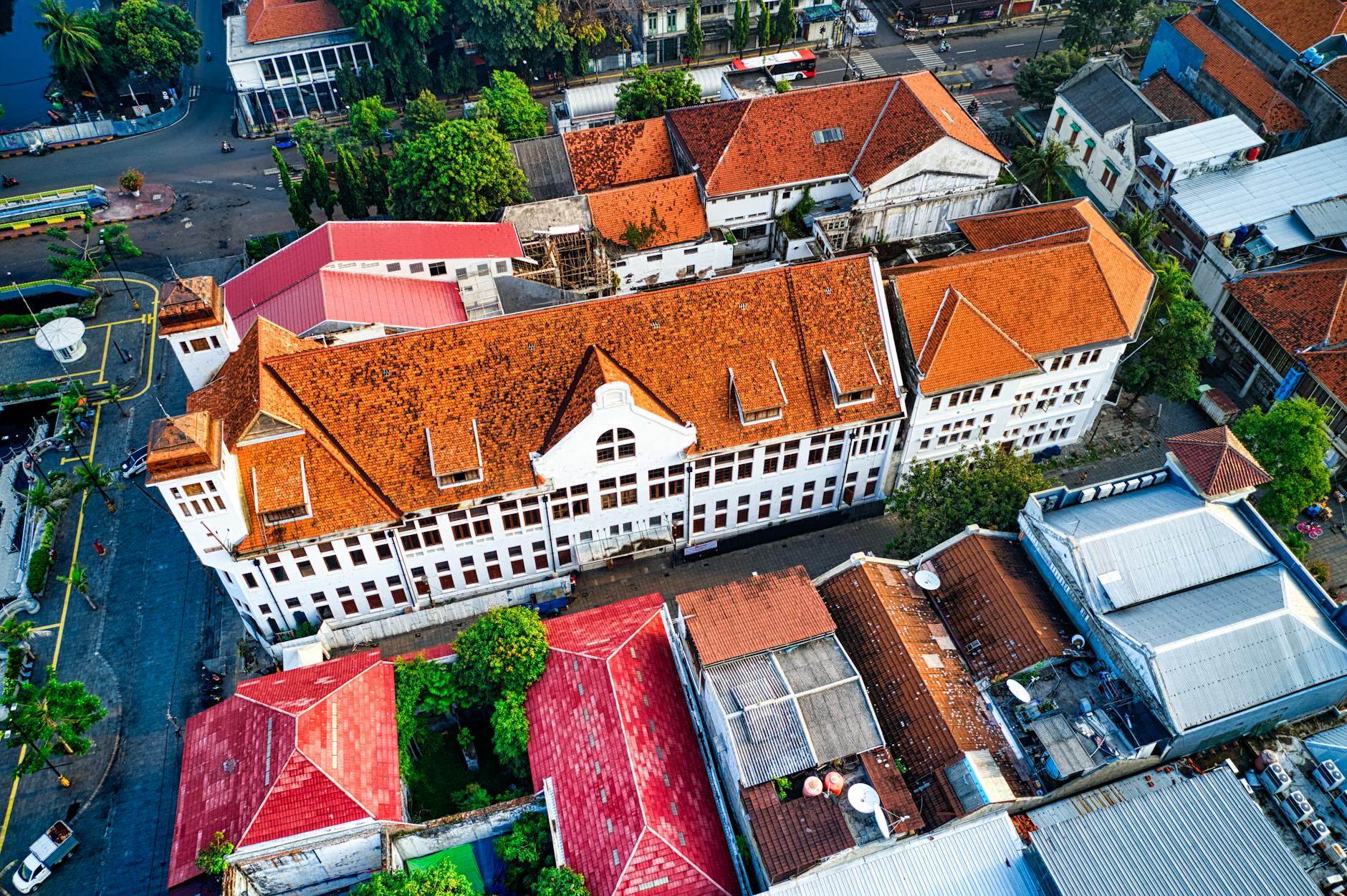
Why stay here: If you only have one trip’s worth of instinct to spend, spend it on Menteng. It’s the rare central Jakarta neighborhood that feels designed for walking — tree-lined streets, beautifully restored Dutch colonial mansions, two genuinely pleasant parks (Taman Suropati and Taman Menteng), and a row of embassies that keep the area calm and tidy. The dining alone justifies the address: Bunga Rampai, Plataran Menteng, and Lara Djonggrang make up the densest cluster of refined Indonesian restaurants in the city. On foot you’re near the Tugu Tani statue, the Sunday antiques hunt at Pasar Antik Jalan Surabaya, and Tugu Proklamasi; by Grab it’s a ten-minute run to Monas, the National Museum, Istiqlal Mosque, and the old town. What surprised me first time round was how quiet it gets — come from a noisy Asian capital and Menteng can feel almost suburban.
Top hotels: The Hermitage Menteng (boutique), Hotel Indonesia Kempinski (5-star), Aryaduta Menteng (mid-range), Mercure Cikini (mid-range), ibis Budget Menteng (budget), Kosenda Hotel (boutique design). The Hermitage in particular shows up again on most Jakarta boutique-hotel shortlists, and the Kempinski on the city’s luxury 5-star ones.
MRT access: Setiabudi (1 km), Bundaran HI (2 km).
Drawback: The walk to an MRT station is longer than in Thamrin, and the residential streets empty out after about 10 PM — charming if you want quiet, a little dead if you want a nightcap nearby.
2. Bundaran HI / Thamrin — The Modern Downtown
Best for: Travelers who want direct MRT access, a business-leisure mix, and premium luxury hotels.
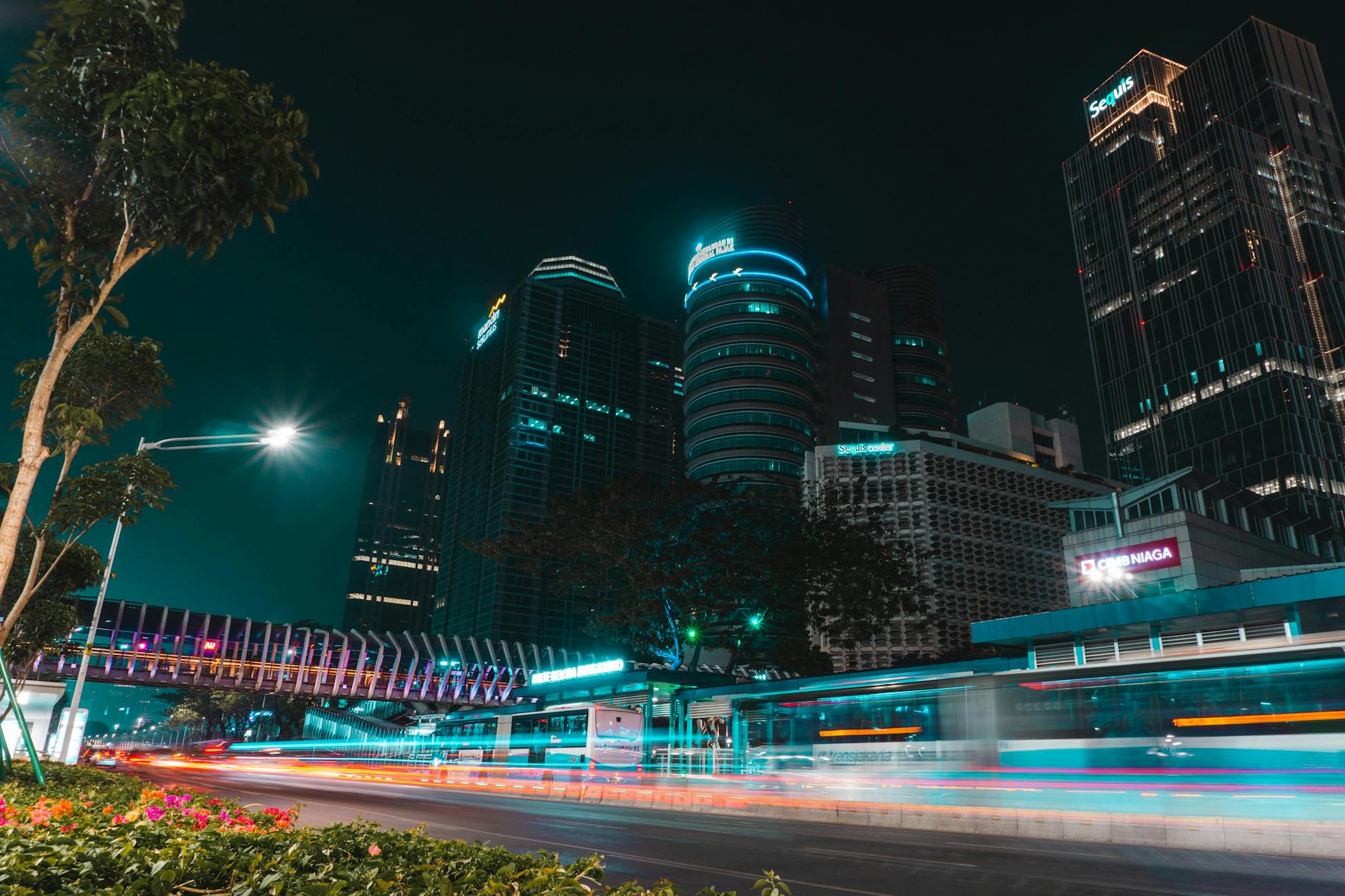
Why stay here: Thamrin is what you choose when you refuse to fight traffic. The Bundaran HI and Dukuh Atas stations put the whole north-south MRT line at your door, and the hotels stacked along this spine are the city’s deepest bench of internationally branded 5-stars — Mandarin Oriental, Hotel Indonesia Kempinski, Pullman, Grand Hyatt. The mall complex here (Plaza Indonesia, Grand Indonesia, and the connected Indonesia Plaza) is the best in the country, and the Sabang street-food strip is a short walk for when you’ve had enough of mall food courts. It’s polished and convenient rather than characterful, which for a lot of first trips is exactly the trade you want.
Top hotels: Mandarin Oriental Jakarta, Hotel Indonesia Kempinski, Park Hyatt Jakarta, Grand Hyatt Jakarta, Pullman Jakarta Indonesia, Holiday Inn Express Wahid Hasyim.
MRT access: Bundaran HI (direct), Dukuh Atas (interchange with the KRL commuter rail).
Drawback: Less neighborhood character than Menteng. If you’re chasing atmosphere, the glass-and-steel core can feel anonymous.
3. Senayan / SCBD — Modern Shopping & Business
Best for: Business travelers, shoppers, and dinner-and-rooftop-bar enthusiasts.
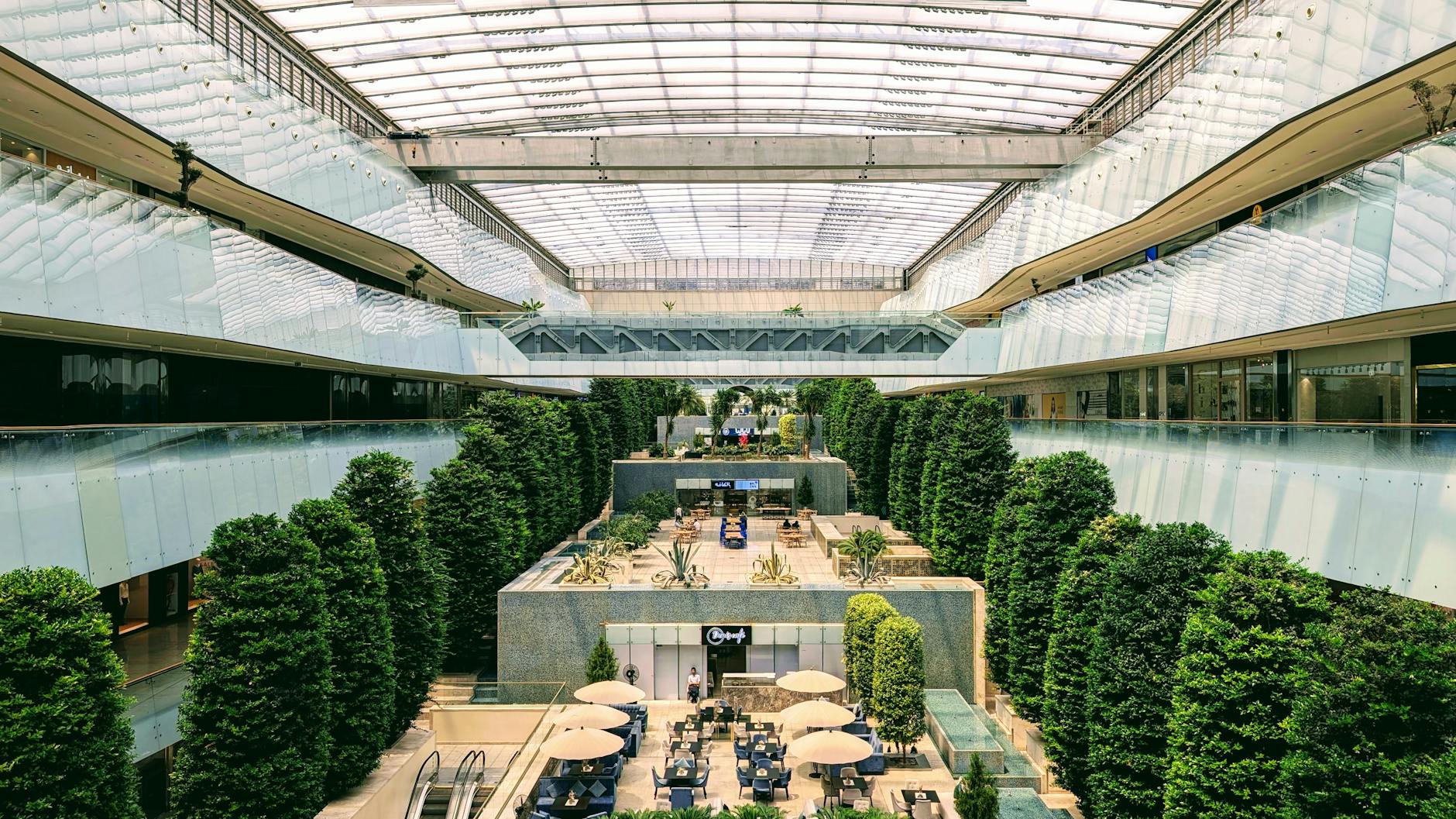
Why stay here: This is where corporate Jakarta lives, and the hotels know their audience. The Senayan / SCBD cluster holds the country’s best modern malls (Plaza Senayan, Senayan City, Pacific Place), the heaviest concentration of contemporary 5-stars — Park Hyatt, Ritz-Carlton at Pacific Place, Fairmont, The Westin — and a deep roster of rooftop bars and high-end restaurants. GBK Stadium is walkable, and the Senayan and Istora MRT stations keep you connected. If you’re here for meetings, the business-hotel picks cluster tightly around this district for a reason: you can roll out of bed and into a boardroom without touching the street.
Top hotels: The Ritz-Carlton Pacific Place, Park Hyatt Jakarta, Fairmont Jakarta, The Westin Jakarta, 25hours Hotel The Oddbird (Senopati), Pullman Jakarta Central Park.
MRT access: Senayan, Istora, Bendungan Hilir (direct).
Drawback: Heavily corporate on weekdays and short on historic character. Come the weekend it empties of suits and fills with mall crowds instead.
4. Kemang — Trendy Nightlife & Creative Scene
Best for: Younger travelers, expats, creative types, and anyone here for the nights.
Why stay here: Kemang is the part of Jakarta that doesn’t try to look like everywhere else. Indie cafes, art galleries, small boutiques, and a real street-art scene give it a texture SCBD will never have, and the bars (Akademi Bar & Eatery, Locavore, and a long tail of independents) keep going late. It’s the spiritual home of the city’s expat and creative crowd, and it’s where I’d point a younger traveler who cares more about where they’ll spend the night than how fast they’ll reach Monas. The catch is movement — see the drawback.
Top hotels: Tugu Hotel Lounge Kemang (heritage boutique), Sutasoma Hotel (boutique), Capital O Kemang Garden (budget). For longer stays, Kemang Selatan has plenty of serviced apartments and Airbnbs.
MRT access: None directly. Blok M MRT is about a 15-minute Grab away, and that gap is the single biggest reason to think twice about Kemang.
Drawback: No MRT means you live and die by Grab, and the traffic in and out of Kemang at peak hours is genuinely notorious. Budget extra time for everything.
5. Cikini — Budget Travelers & Specialty Coffee

Best for: Budget travelers, coffee people, slow-travel visitors, and longer stays.
Why stay here: Cikini is my standing answer for anyone watching their spend who still wants to be central. A cluster of ibis Budget, Whiz, and capsule properties sits within walking distance of Cikini KRL station, and the surrounding streets hold the city’s actual coffee scene — Tanamera, 1/15 Coffee, Common Grounds, Kopi Manyar — alongside Tugu Proklamasi, the Taman Ismail Marzuki arts complex, and the planetarium. Sabang’s street food is a short walk away. It’s less buffed than Menteng next door, and that’s the point: you’re paying local prices for a central address. For the wider picture on stretching a Jakarta budget, the budget-hotels guide goes deeper on properties under $30 a night.
Top hotels: ibis Budget Cikini, Whiz Cikini, Mercure Jakarta Cikini, Six Degrees Hostel (the best backpacker hostel in the city), Capsule Hotel Cikini.
MRT access: Setiabudi (1.5 km), Bundaran HI (2 km). The KRL Cikini station is walkable and runs trains as far as Bogor.
Drawback: Less polished than Menteng or Thamrin, and it reads more local than international. If you want a marble lobby, look elsewhere.
6. Kota Tua — Old Town Heritage

Best for: Heritage enthusiasts, short history-focused stays, photographers.
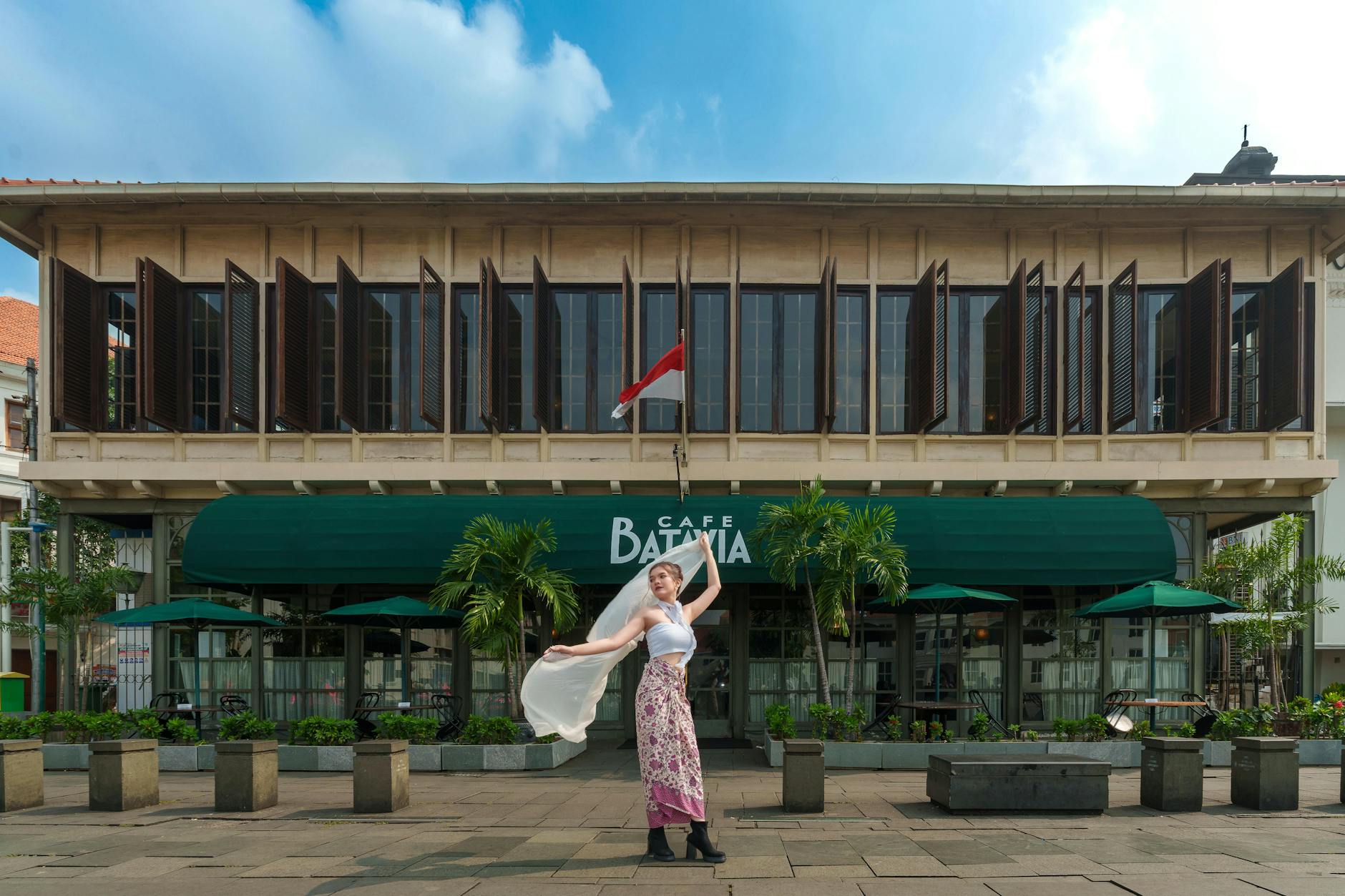
Why stay here: Kota Tua is the closest Jakarta comes to a postcard. The Old Town packs colonial architecture, museums, cobblestones, and seventeenth-century Dutch facades into a few walkable blocks, with Fatahillah Square, the Sunda Kelapa harbor, and Glodok’s Chinatown all within reach. The four museums on Fatahillah Square are worth a half-day on their own, and the floodlit buildings after dark photograph beautifully — the tell that a place is built for daylight tourism is how it looks once the day-trippers leave, and Kota Tua actually improves. The hotel situation is the honest weakness; this is a stay for people who’ll trade comfort for atmosphere.
Top hotels: Wonderloft Hostel (boutique hostel), Mercure Jakarta Batavia (mid-range, inside Kota Tua), and a few smaller heritage guesthouses. Modern options are thin compared with central or south Jakarta.
MRT access: None directly; Bundaran HI is roughly a 25-minute Grab, and transit choices are limited.
Drawback: Few modern hotels, quieter nightlife, and a longer haul back to the contemporary city.
7. Glodok / Mangga Besar — Budget & Food

Best for: Budget travelers who plan their days around food, Chinese-Indonesian cuisine fans, longer stays.
Why stay here: Glodok — Jakarta’s Chinatown — is where you stay to eat well and pay little. The lanes around Pasar Petak Sembilan run thick with street vendors, the Pantjoran Tea House pours free hot tea in the old apothecary tradition, and the seventeenth-century Jin De Yuan temple still draws worshippers. Mangga Besar takes the baton after dark with late-night Chinese-Indonesian dining and one of the city’s busiest night markets. If your itinerary is basically a list of meals, this is a brilliant base — pair it with the wider Jakarta street-food guide and you could happily never book a restaurant.
Top hotels: Holiday Inn & Suites Jakarta Gajah Mada, Amaris Mangga Besar, various RedDoorz options. Several budget hostels offer private rooms under $25.
MRT access: None directly; you’re on Grab and TransJakarta here.
Drawback: No MRT, rougher around the edges than Menteng or Sudirman, and genuinely chaotic on weekends.
8. Pondok Indah — Family & Suburban Comfort
Best for: Families with young kids, longer stays, and anyone who’d rather have residential calm than urban buzz.
Why stay here: Pondok Indah is far-south Jakarta’s most affluent residential pocket — quieter, greener, and roomier than the center. It’s anchored by the InterContinental Jakarta Pondok Indah, the sprawling Pondok Indah Mall (with the Trans Ice rink the kids will demand), the elite Pondok Indah golf course, and a ring of family-friendly restaurants. For families who need space to breathe between outings, it’s a sane choice; just go in clear-eyed about the distance to the historic core. The trade-offs that come with traveling as a family — pools, connecting rooms, kids-eat-free — are worth weighing against the wider family-friendly hotels roundup before you commit to the suburbs.
Top hotels: InterContinental Jakarta Pondok Indah (5-star, family-friendly), plus several mid-range and serviced-apartment options.
MRT access: Lebak Bulus (3 km), Fatmawati (2 km). You’ll Grab most short hops.
Drawback: Far from the Central Jakarta sights — reckon on a 45-minute Grab to Monas — and the calm can tip into dull for some.
Honorable Mentions
Mega Kuningan — the embassy-and-corporate district hugging SCBD, home to The Ritz-Carlton Mega Kuningan, Shangri-La Jakarta, and The Langham Jakarta. Ideal if your week revolves around embassy or ministry meetings.
Pantai Indah Kapuk (PIK) — the newest North Jakarta development, with Batavia PIK’s over-water retail, the Atlas Beach Club, and a breezy waterfront-lifestyle feel. Good for a trendy weekend escape rather than a sightseeing base.
Ancol — a pure leisure zone built around Ancol Dreamland (theme parks, Sea World). Best for family stays that begin and end at Ancol, at the Mercure Convention Center Ancol or Putri Duyung Resort.
Tanah Abang — for shopping-driven budget travelers: Southeast Asia’s largest textile market on your doorstep, plus a scattering of Amaris and POP! Hotel options.
Want to understand how these districts knit together as a city rather than a hotel map? The Jakarta neighborhoods guide walks the broader geography.
How to Choose Your Jakarta Neighborhood
Strip it down to three questions and the decision usually makes itself:
- Budget — Cikini and Glodok for under $50 a night; Menteng and Bundaran HI in the $80–250 band; Senayan/SCBD from $150 to $500-plus.
- MRT proximity — Bundaran HI/Thamrin and Senayan/SCBD have the best access; Kemang and Pondok Indah have none, so factor in Grab time.
- Trip purpose — first-time history runs point to Menteng; modern shopping and dining to Senayan; business to SCBD; families to Bundaran HI or Pondok Indah; nightlife to Kemang or SCBD; budget and coffee to Cikini.
Once you’ve narrowed the area, line your shortlist up against the citywide best hotels in Jakarta roundup, then cross-check attraction distances on the Jakarta attractions map and the top-attractions guide so you’re not booking blind.
Transit Logistics — How to Get Around and What It Costs
Jakarta’s traffic is the variable that ruins itineraries. A 5 km hop that looks trivial on a map can swallow 45 minutes at rush hour, so the single most useful question about any hotel is: how far is the nearest MRT station? The line runs north-south from Lebak Bulus (out by Pondok Indah) through Fatmawati, Cipete Raya, Blok M, then Senayan, Istora, Bendungan Hilir, Setiabudi, Dukuh Atas, and Bundaran HI — sailing over the surface gridlock the whole way.
It’s also cheap. The MRT uses distance-based pricing with a floor around Rp 3,000 and a ceiling of Rp 14,000 for the full Lebak Bulus–Bundaran HI run, and the city held fares flat for 2026, so a day of hopping stations rarely tops a couple of dollars. Tap in with a contactless transit card or the app and you’re moving. For the full how-to — lines, hours, and ticketing — the Jakarta MRT guide covers it end to end.
For the no-MRT neighborhoods (Kemang, Kota Tua, Glodok, much of Pondok Indah), Grab and Gojek are your lifelines. Budget roughly Rp 30,000–80,000 per ride inside the city and pad every estimate with buffer time, because the apps quote distance, not Jakarta reality. If you’d rather understand the whole transport picture — ride-hailing, TransJakarta, the commuter rail, and how to string them together — the getting-around-Jakarta guide is the one to read before you arrive.
Best Time to Book — and How to Pay Less
Jakarta isn’t a seasonal beach town, so hotel prices move on demand and weather more than on holidays. The cheapest window is the rainy stretch from roughly January into early March, when rooms can run 30–40% below the busy months; January in particular tends to be the single best month for a deal, with the obvious caveat that the heaviest downpours and occasional street flooding land then too. September and March are the sweet spot if you want softer prices without committing to monsoon — shoulder months with reasonable weather and lighter crowds.
A few booking habits that pay off here specifically: book business-district hotels (SCBD, Mega Kuningan, Thamrin) for weekend check-ins, when corporate demand drops and rates with it; do the reverse for Kemang and the leisure pockets, which fill on weekends. Lock in refundable rates early for the December–January holiday peak, and watch for the long Idul Fitri (Lebaran) holiday, when much of the city travels and pricing gets unpredictable in both directions.
First-Timer Mistakes to Avoid
- Booking by price alone. A cheap room in a no-MRT area can cost you more in Grab fares and lost hours than a pricier one near a station. Weigh location against rate, not just rate.
- Underestimating distance. “South Jakarta” sounds central; from Pondok Indah to Monas is a 45-minute haul. Always check the actual route, not the neighborhood name.
- Ignoring the MRT question. If you’ll sightsee daily, a station within a short walk changes your whole trip. It’s the difference between three sights a day and one.
- Picking Kemang for monuments. Kemang is fantastic for nights out and useless for a Monas-and-museums itinerary. Match the area to what you’ll actually do.
- Assuming all of Jakarta is loud. Menteng, Pondok Indah, and parts of Cikini are genuinely quiet. Don’t over-correct for noise and end up stranded in the suburbs.
Frequently Asked Questions About the Best Areas to Stay in Jakarta
What is the best area to stay in Jakarta as a tourist?
Menteng is the best area to stay in Jakarta for first-time tourists — tree-lined streets, restored colonial mansions, refined dining, and walking distance to Tugu Tani, Tugu Proklamasi, and the Sunday antiques market on Jalan Surabaya. Bundaran HI/Thamrin is the strong alternative if direct MRT access matters more to you than character.
Which Jakarta neighborhood has the best MRT access?
Bundaran HI / Thamrin and Senayan / SCBD have the best direct MRT access, with multiple stations within walking distance of major hotels. Kemang, Kota Tua, Glodok, and Pondok Indah have limited or no MRT, so plan around ride-hailing if you stay there.
Is Kemang a good area for tourists?
Kemang is great for younger travelers, expats, and anyone prioritizing nightlife, indie cafes, and the creative scene. Its one real drawback is the lack of MRT — you’ll lean on Grab and Gojek, and you’ll feel the traffic at peak hours.
Where should I stay in Jakarta on a budget?
Cikini has the densest cluster of budget hotels — ibis Budget, Whiz, capsule properties, and Six Degrees Hostel — within walking distance of Cikini KRL station and Sabang’s street food. Glodok is the strong alternative for budget travelers who plan their trip around eating.
Where do most expats live in Jakarta?
Most expats settle in South Jakarta — Kemang, Kebayoran Baru, Pondok Indah, Cilandak, and Cipete — while SCBD suits shorter assignments. These areas carry the highest concentration of international restaurants, schools, and amenities.
Is Jakarta safe at night for tourists?
Yes. The main tourist neighborhoods — Menteng, Bundaran HI, SCBD, Senayan, Kemang — are very safe after dark. Use ride-hailing rather than walking long distances late, keep your bag secured in crowded markets, and steer clear of any demonstrations.
Get the neighborhood right and Jakarta stops feeling like a traffic problem and starts feeling like a city. Whichever of these areas fits your trip, the broader where-to-stay pillar can help you finalize the property, and if your plans run right up to the National Monument, the dedicated guide to hotels near Monas narrows it down further.
External Resources for Jakarta Neighborhoods
For a second opinion, the official Wonderful Indonesia tourism portal publishes neighborhood-by-neighborhood travel guides, and The Broke Backpacker’s Where to Stay in Jakarta guide offers a backpacker-focused take on the same areas.
Each of these areas now has its own deep dive: the Central Jakarta guide, the South Jakarta guide, the Senayan area guide and the SCBD and Sudirman guide.