Most backpackers meet Jakarta at the wrong end of a long flight, sweating in a queue at Soekarno-Hatta with a rucksack and a vague plan to be in Yogyakarta by Thursday. A lot of them never really look at the city at all — one night near Gambir, a train out in the morning, and a line in the group chat about how big and hot it was. That is a shame, because backpacking Jakarta is cheaper than almost anywhere else in Southeast Asia, the street food is some of the best in Indonesia, and the city explains the rest of the country in a way that Bali, frankly, does not.
This guide is for travellers doing Jakarta on a rucksack budget: where the backpacker scene is (and where it used to be), how to arrive and leave cheaply, how to cross the city for pocket change, where to eat, what is worth your rupiah and what is not, how to meet people, and how to move on down Java. Prices were checked in September 2026; treat them as the right order of magnitude, because Jakarta’s fares and ticket prices do move.
Backpacking Jakarta at a glance
| Item | Typical cost (IDR) | Note |
|---|---|---|
| Hostel dorm bed | Roughly €5–10 a night | Wonderloft in Kota Tua from about €9 |
| Warteg or warung plate | 15,000–30,000 | Rice plus two or three dishes, no service charge |
| TransJakarta bus | 3,500 flat | Any distance inside the network; card only |
| MRT | 3,000–14,000 | By distance, along the Sudirman–Thamrin spine |
| KRL commuter train | From 3,000 | +1,000 per 10 km after the first 25 km; Bogor for under 10,000 |
| DAMRI airport bus | 80,000–95,000 | To Gambir, Blok M, Rawamangun and more |
| Airport train | 70,000–90,000 | To BNI City in 40–50 minutes |
| Jakarta History Museum (Fatahillah) | 10,000 | City-run museums are all around this price |
| National Museum, foreign visitors | 150,000 | Tripled in January 2026 |
| Monas deck and museum | About 30,000 | Closed Mondays |
| Whoosh to Bandung | 275,000–600,000 | Promotional fares from about 100,000 |
Is Jakarta worth it on a backpacking trip?
Honestly: it depends on how long you have in Indonesia, and the answer is more generous than the hostel-bar consensus.
If you have ten days in the whole country, skip it. Fly in, get on a train, and spend your time on Yogyakarta, Bromo and the east. Jakarta rewards patience, and ten days does not leave you any.
If you have three weeks or more, give it two or three days, and do it at the start of the trip rather than the end. Jakarta is where you learn how Indonesia works — how to order at a warteg, how the ride-hailing apps run everyday life, what a mosque, a church and a Chinese temple look like within walking distance of each other, and what the country’s money and politics are doing. Everything after that is easier. It is also where the country’s modern life is at its densest: the coffee culture, the mall culture, the music scene, the late-night food streets. None of that is in the Lonely Planet photo spreads, and all of it is interesting.
The two things that genuinely cost backpackers here are time and heat. Jakarta is enormous and its traffic is famous for good reason — a 15-kilometre crossing can take 30 minutes or 90 depending on the hour, which is why the right plan is to see one area properly each day rather than zigzagging. And from late morning to mid-afternoon it is hot enough that walking between sights stops being fun. Start early, rest in the middle of the day, and go out again in the evening, when the city is at its best anyway.
Arriving on a budget
Soekarno-Hatta sits well west of the centre, and the three sensible budget options are all fine — which one is best depends on where you are going.
- DAMRI airport bus, 80,000–95,000. The big blue coaches leave from outside each terminal for Gambir, Blok M, Rawamangun and a long list of other termini, from early morning until roughly 23:00. Gambir puts you a short ride from Jalan Jaksa; Blok M puts you on the MRT. It is the cheapest reliable option and the seats are comfortable. The journey time is entirely at the mercy of the toll road: under an hour late at night, two hours or more at the evening peak.
- Airport train, 70,000–90,000. Take the free Skytrain from your terminal to SHIA station, between Terminals 1 and 2, and the train reaches BNI City in 40 to 50 minutes, every 15 to 20 minutes, from about 05:00 until the last train out of the city at around 22:00. The point of the train is that it is immune to traffic. From BNI City you can walk across to the MRT at Dukuh Atas.
- Grab or a Blue Bird taxi. Split between two or three people, a car to the centre is not much more than the bus per head and it goes door to door. Use the official Blue Bird rank or the designated ride-hailing pick-up points, never the touts inside the arrivals hall.
Our airport transfer guide has the full detail, and it is worth checking the visa guide before you land rather than in the queue.
Where backpackers stay
Jalan Jaksa, the old backpacker street
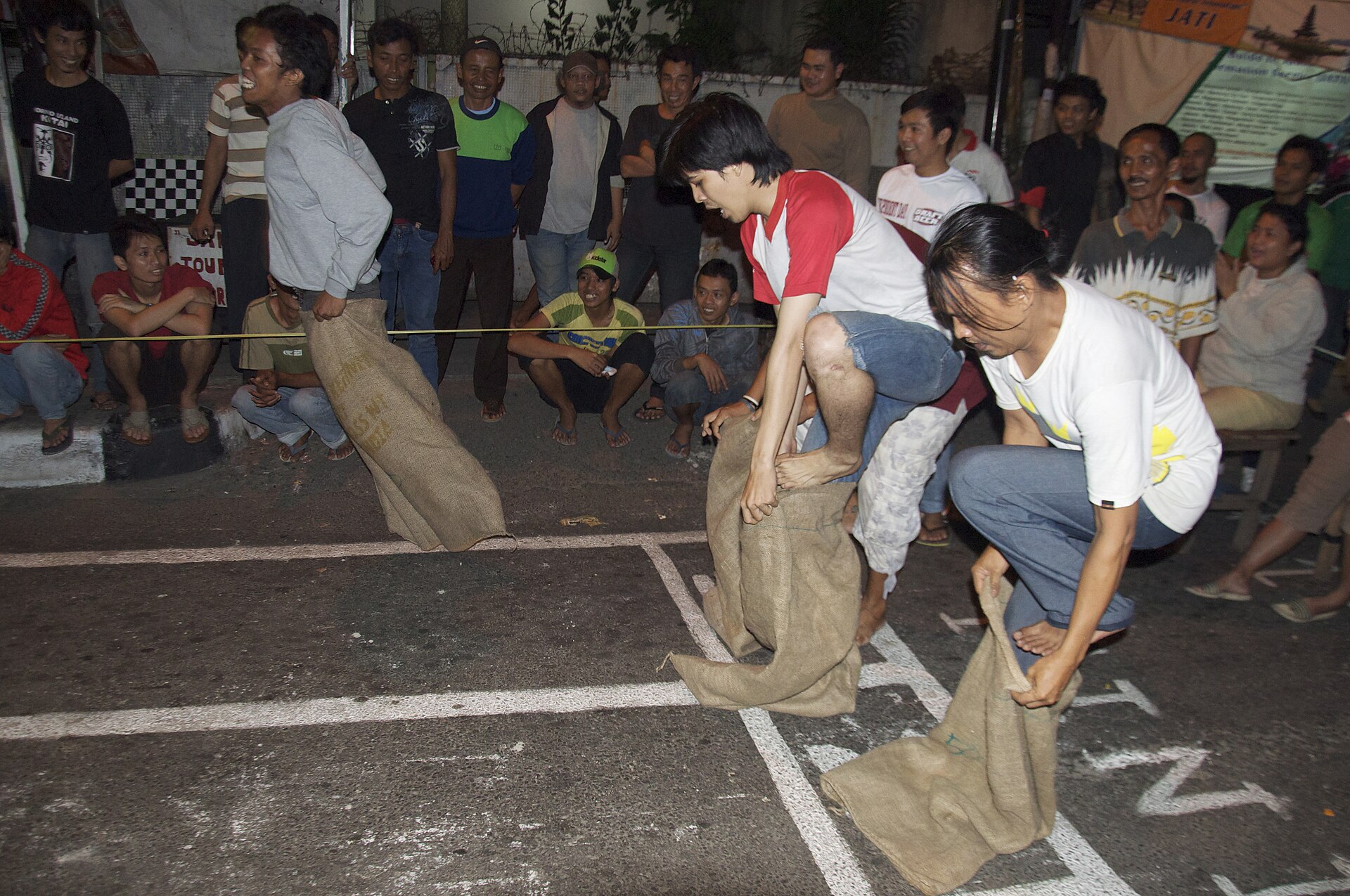
For decades, Jalan Jaksa was simply where you went. A short street in Central Jakarta between Jalan Kebon Sirih and Jalan Wahid Hasyim, it filled up from the late 1960s with cheap guesthouses, travel agents and bars aimed at the overland crowd — Wisma Delima is usually credited with starting it all — and for a generation of travellers on the Asia circuit it was the Khao San Road of Java.
That era is over, and it is worth knowing before you arrive with expectations. Budget airlines, booking apps and the rise of Bali pulled the crowds away, and today Jalan Jaksa is a quieter street of budget hotels, a few surviving guesthouses, bars and cafés, with the old reputation hanging over it more than the old energy. It is still a decent, central, cheap place to sleep. The best thing about it now is not the street itself but where it is: two minutes from Jalan Sabang’s night-time food carts, walkable to Monas and Menteng, and a short ride from Gambir station and the MRT at Bundaran HI.
Kota Tua, for the atmosphere
The old Dutch town in the north has become the backpacker choice for travellers who want the city to feel like somewhere. Wonderloft Hostel sits in a yellow-painted, green-shuttered colonial building on the old town square, with mixed and female dorms, capsule-style beds, air conditioning throughout, a kitchen, a 24-hour desk and a pool table, and dorms from about €9. You can walk to Glodok’s Chinatown and the schooners at Sunda Kelapa. The trade-off is distance: Kota Tua is a long way north of the business districts, the MRT does not yet reach it, and getting anywhere else means the KRL, TransJakarta Corridor 1 or a car.
Blok M, for the nights
South Jakarta’s Blok M has become the most interesting cheap area in the city over the past few years: the old bus terminal with an elevated MRT station beside it, the M Bloc Space creative complex in the former staff houses of Peruri, the state banknote printer, the izakaya and bars of the Little Tokyo streets around Melawai, second-hand bookshops, cheap malls and some of the best late-night eating in Jakarta. Budget hotels and guesthouses are dotted around, and the MRT gets you to Sudirman in minutes.
Cikini and Menteng edges
Around Cikini, just south-east of Jalan Jaksa, the arts centre at Taman Ismail Marzuki, the old cafés and the KRL station make a good base, with guesthouses and budget chain hotels a little cheaper than on Thamrin. Menteng proper is leafy and handsome but priced for embassies.
For a full rundown of the cheapest beds by area, including the budget hotel chains and the capsule hostels, see our budget hotels and hostels guide and the wider best areas to stay guide.

Getting around for almost nothing

This is where Jakarta beats every other capital in the region for a backpacker. The public transport is cheap to the point of being almost free, and it has improved enormously in the past decade.
Get a card on day one
TransJakarta does not take cash, so the first thing to buy is a stored-value card: a JakLingko card, or one of the bank e-money cards — Mandiri e-money, BCA Flazz, BNI TapCash or BRI Brizzi — sold at stations and at the counter of most Indomaret and Alfamart shops. One card works on TransJakarta, the MRT and the KRL. Top it up at the same places. Our JakLingko card guide explains which to buy.
The three networks
- TransJakarta — 3,500 flat. The bus rapid transit network runs in dedicated lanes across most of the city, with free transfers inside the stations. Corridor 1 runs from Blok M up Sudirman and Thamrin to Kota, which is the backpacker’s spine. A fare rise to 5,000 has been proposed, so check before you rely on the number. See the TransJakarta guide.
- MRT — 3,000 to 14,000. Fast, air-conditioned and spotless, running under and above Sudirman and Thamrin. The best way to cross the business district at rush hour. See the MRT guide.
- KRL commuter line — from 3,000. The first 25 km costs 3,000 and each further 10 km adds 1,000, so even Bogor comes in under 10,000. Brilliant value, and appalling at rush hour. See the KRL guide.
Ojek, for the last kilometre
For the gaps between stations, motorbike taxis booked through Grab or Gojek are the local answer: quick, cheap, and the driver brings a helmet. They are also how a lot of Jakarta beats the traffic. Cars through the same apps are cheap enough to split between two or three people for longer trips, especially at night. Our Grab versus Gojek guide compares the two, and Jakarta transportation costs sets out what a day of moving around actually adds up to.
The one rule that saves more money than any other: avoid 07:00 to 09:00 and 17:00 to 19:00 on weekdays. At those hours a car costs more, takes twice as long, and the trains are full. Do your crossing in the middle of the day and walk locally at the edges.
Eating like a backpacker
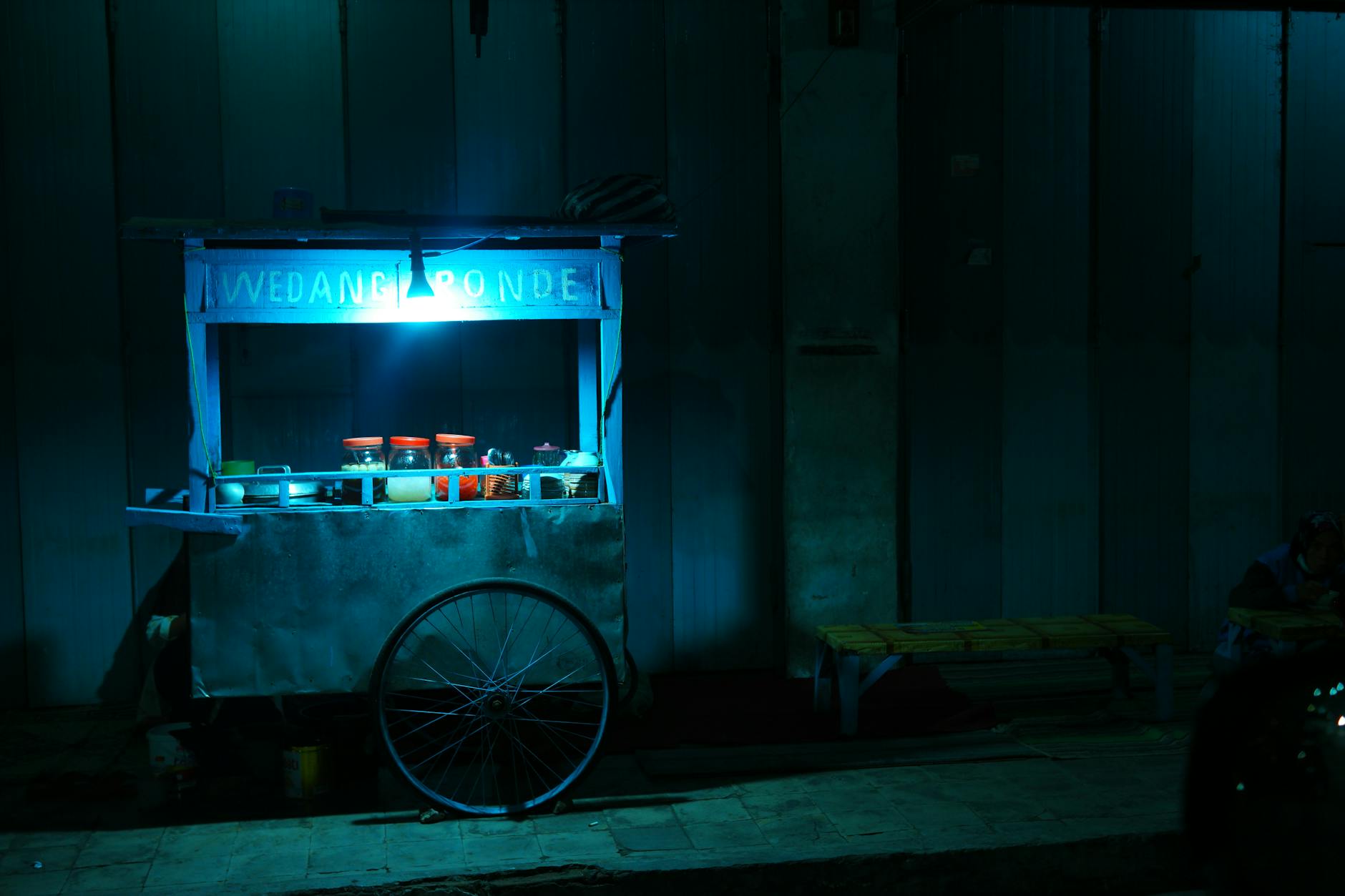
Jakarta is one of the cheapest good-food cities in Asia, and for a backpacker that is the whole point. The savings come from eating where Jakartans eat, which is also where the food is best.
The warteg
The warung Tegal, or warteg, is the backpacker’s best friend: a glass counter of twenty-odd dishes cooked that morning, a plate of rice, and you point at what you want. Two or three dishes with rice and a sweet iced tea comes to 15,000 to 30,000. You pay at the end; tell them what you had and they add it up. It is the cheapest proper meal in the city and very often the most interesting.
Nasi Padang
West Sumatran food, served either from a counter like a warteg or with a dozen small dishes put on your table unasked — you pay only for what you touch. Rendang, curried jackfruit, spicy eggs and grilled chicken, in restaurants open all day on every main road.
Carts and night food streets
After dark the city’s food moves onto the pavement. Jalan Sabang, a street over from Jalan Jaksa, is the obvious first night: satay, nasi goreng, noodles, soto and martabak from carts and tents. Further afield, Blok M’s late-night stalls, the Chinese-Indonesian food lanes of Glodok and the seafood tents of Pecenongan all feed you well for very little. Our street food guide names the streets and the dishes, and the night food markets guide covers where to go after dark.
The mall basement
Counter-intuitive, but the food halls of the big malls are budget territory: air-conditioned, clean, with dozens of stalls and prices only a little above the street. When it is 33 °C at two in the afternoon, a mall food court is a completely reasonable place to be a backpacker.
Coffee for pocket change
You will see men on bicycles hung with sachets of instant coffee and a flask of hot water — the kopi keliling, travelling coffee — selling a cup for a few thousand rupiah to drivers and office workers. It is not good coffee. It is a very Jakarta experience. For good coffee, the city’s local chains and third-wave cafés are cheap by Western standards and excellent.
Two traps to know. Mid-range and upmarket menus quote prices “++”, which means a service charge of 5–10 per cent plus a 10 per cent restaurant tax at the till — the bill arrives 15–21 per cent above what you added up. Warungs and street carts charge the price on the board and nothing else. And beer is where a backpacker budget goes to die: excise makes a large Bintang in a bar cost as much as several warteg meals. Our cheap eats guide has specific places under 50,000.
What is worth your rupiah — and what is not
A backpacker budget forces choices, so here is where the money goes furthest, and where it quietly does not.
Worth it
- Kota Tua and its museums. Fatahillah Square is free to walk, and the city-run museums around it — the Jakarta History Museum, the Wayang Museum and the Fine Art and Ceramics Museum — are 10,000 each for adults on weekdays. Go early, before the heat and the crowds. See our Kota Tua walking tour.
- Glodok. Chinatown’s temples, medicine shops and food lanes, a short walk from Kota Tua. Costs nothing unless you eat, and you will eat. See the Glodok guide.
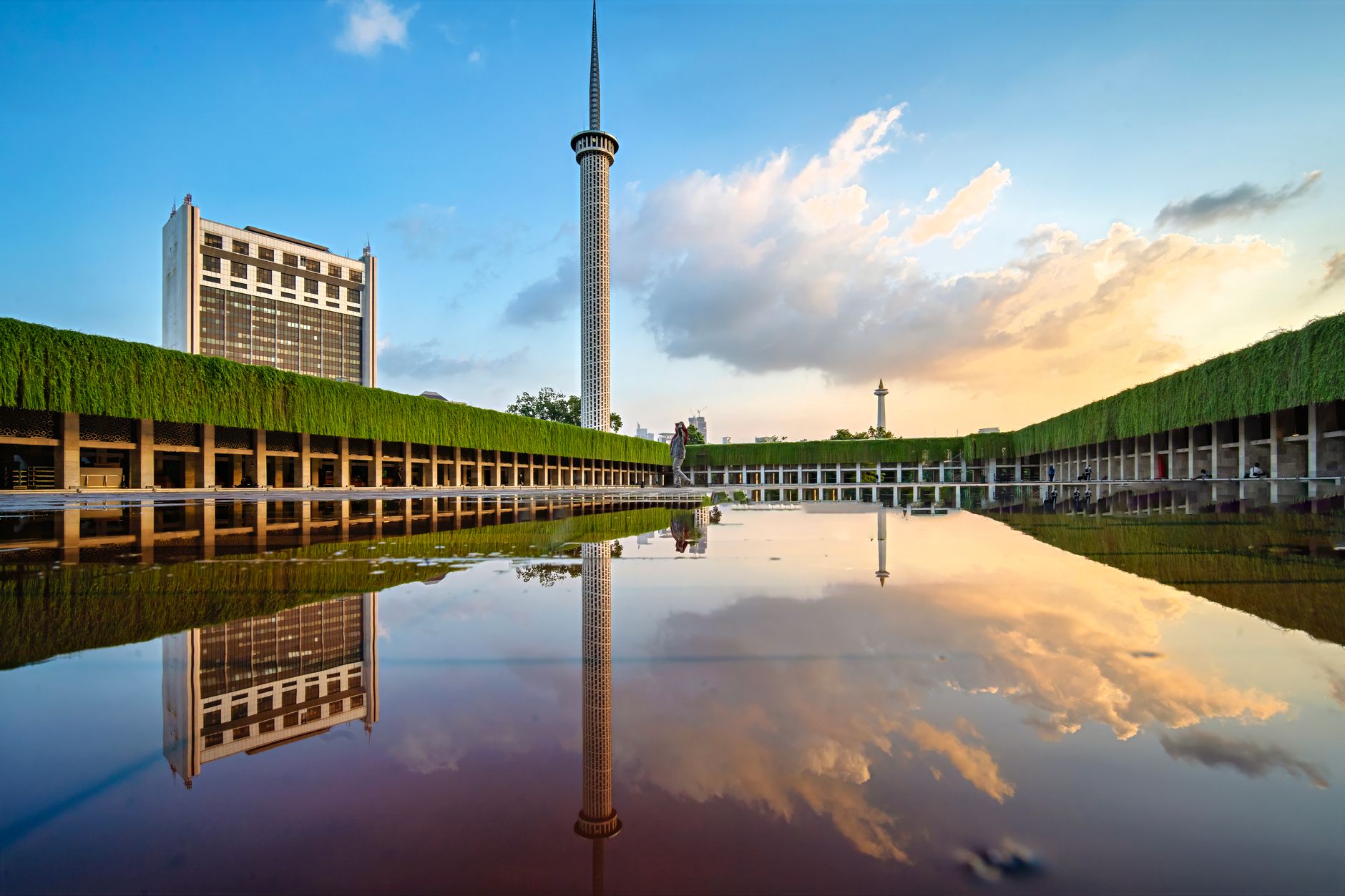
- Istiqlal and the Cathedral. Southeast Asia’s largest mosque faces Jakarta’s neo-Gothic cathedral across the road. Visitors are welcome at Istiqlal outside prayer times; dress modestly. See the Istiqlal guide.
- Monas. About 30,000 for foreigners for the observation deck and the museum. Arrive at the north entrance before 08:00 to avoid the queue for the lift. Closed Mondays.
- Bogor by KRL. Under 10,000 each way on the commuter train, and the Botanical Gardens charge international visitors 50,000 for 87 hectares of some of the oldest planted gardens in Southeast Asia. The best cheap day trip there is. See the Bogor day trip guide.
- The Thousand Islands the slow way. The traditional ferry from Kali Adem at Muara Angke takes two to three hours and costs far less than the Ancol speedboat, and Pulau Pari’s homestays are the backpacker version of an island escape. See the Thousand Islands guide.
- Sunday car-free day. Sudirman and Thamrin close to traffic on Sunday mornings, and half the city comes out to walk, cycle and eat. Free, and the best people-watching in Jakarta.
Think twice
- The National Museum. Its prices went up on 1 January 2026 and foreign visitors without a residence permit now pay 150,000, three times the old rate. It is still the best museum in the country and worth it if it is the one museum you do. It is no longer the casual stop it used to be. See the National Museum guide.
- Ancol and Dufan. The Ancol gate is 35,000 before you have paid for anything inside, and Dunia Fantasi is 275,000 on a weekday and 400,000 at weekends. Unless theme parks are your thing, the money buys three days of food.
- Rooftop bars. The views are superb and the drinks are priced for expense accounts. One sunset drink, maybe. Not a night out.
- Taxis across the city at rush hour. The meter runs while you sit still.
For a longer list of what costs nothing at all, see our free things to do in Jakarta, and for the wider picture of a cheap trip, the budget travel guide.
Meeting people and going out
Jakarta is not a party city in the Bangkok sense, and its backpacker scene is small and scattered rather than concentrated on one strip. That makes it better, not worse, for meeting people: most of the people you meet will be Indonesian.
- Hostels. The common rooms at the Kota Tua and central hostels are the easiest place to find someone to share a car to the airport or a train to Bandung.
- Students. At Kota Tua and Monas, school and university students will ask if they can interview you, in English, for a class assignment. Say yes. It takes five minutes, it is a genuine exchange, and it is how a lot of visitors end up with a local friend and a dinner recommendation.
- Blok M. The best cheap night out in the city: M Bloc Space for small gigs and cafés, the Little Tokyo bars around Melawai, and late food afterwards.
- Jalan Jaksa. A few long-running bars still pull a mixed crowd of travellers, expats and locals, and there is live music some nights.
- Live music. Jakarta has a serious indie and jazz scene. Our live music guide covers the venues.
Two things about drinking. Minimarkets such as Indomaret and Alfamart stopped selling beer years ago, so buy it in supermarkets or drink it in bars. And although Jakarta is relaxed, it is a Muslim-majority city; drunkenness in public is frowned on well beyond what you might be used to, and during Ramadan some bars close or keep a very low profile. Our nightlife guide covers the rest.
Money, SIMs and staying connected
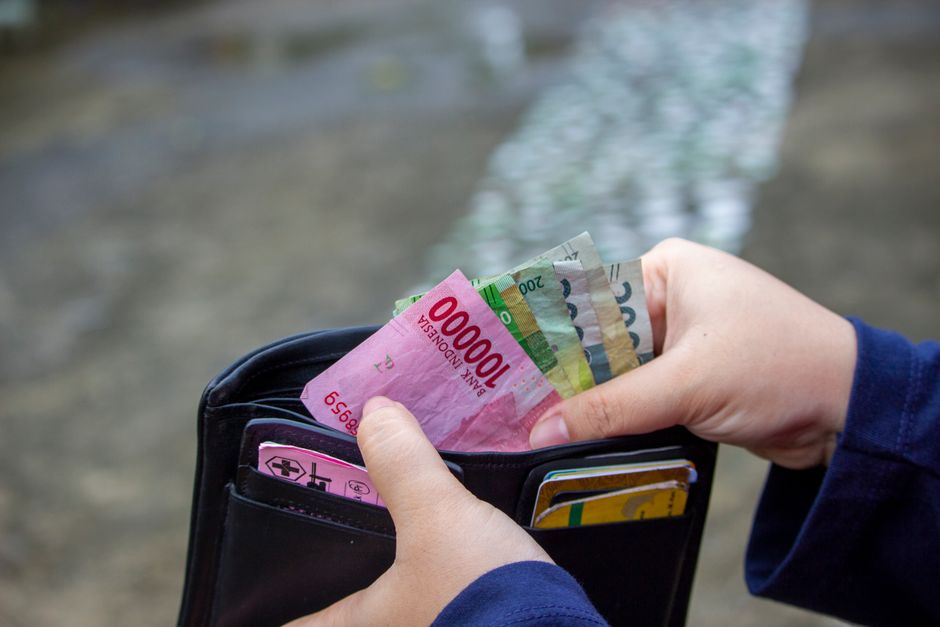
- Cash still matters. Warungs, carts and small shops want cash, often small notes, and a 100,000 note for a 15,000 plate can cause a minor crisis. Break big notes at minimarkets and malls.
- ATMs are everywhere. Local banks add a fee to whatever your own bank charges, so take out larger amounts less often. Machines usually say whether they dispense 50,000 or 100,000 notes; the 50,000 ones are more useful for street food.
- Money changers. Use licensed changers in malls rather than street kiosks, and bring clean, unfolded, recent-series notes — damaged or old US dollars are routinely refused. Our currency exchange guide explains the rules.
- SIM cards. A local SIM or eSIM is essential, because Grab, Gojek, maps and messaging run Jakarta. Buy it at an official operator counter rather than a kiosk. See our SIM card guide.
- Laundry. Laundry kiloan — laundry by the kilo — is on nearly every residential street. Drop your bag in the morning, collect it washed, dried and folded the next day, for very little. Cheaper and better than any hostel machine.
Staying safe
Jakarta is a safer city than its reputation suggests, and violent crime against visitors is rare. The risks that actually affect backpackers are petty and avoidable.
- Phones and bags. Keep phones away from the kerb side of the pavement, where snatch thefts from passing motorbikes happen, and keep bags zipped and in front of you on crowded KRL trains and buses.
- Scams. Mostly small: overcharging at taxi touts, card-skimming at dodgy ATMs, “helpful” guides who expect payment. Our travel scams guide lists them.
- Women travelling solo. The KRL has women-only carriages at each end of the train and TransJakarta buses have a women-only section at the front. Both are widely used and well respected.
- Water and food. No tap water. Street food is generally fine if you pick busy stalls and eat things cooked hot in front of you. See the health guide, and do not travel without insurance.
- Flooding. In the wet season, roughly October or November to April, heavy afternoon storms can flood streets and stop traffic. Build slack into travel days.
One legal note that comes up in hostels. Indonesia’s revised criminal code, in force since 2 January 2026, criminalises sex outside marriage and unmarried cohabitation — but only on a complaint from a spouse, parent or child. Hotels and hostels are not required to check marital status and are not turning unmarried couples away. The practical risk to travellers is low, not zero, and it is worth checking your own government’s current advice. Our safety guide has more.
Moving on: trains, buses, boats and flights
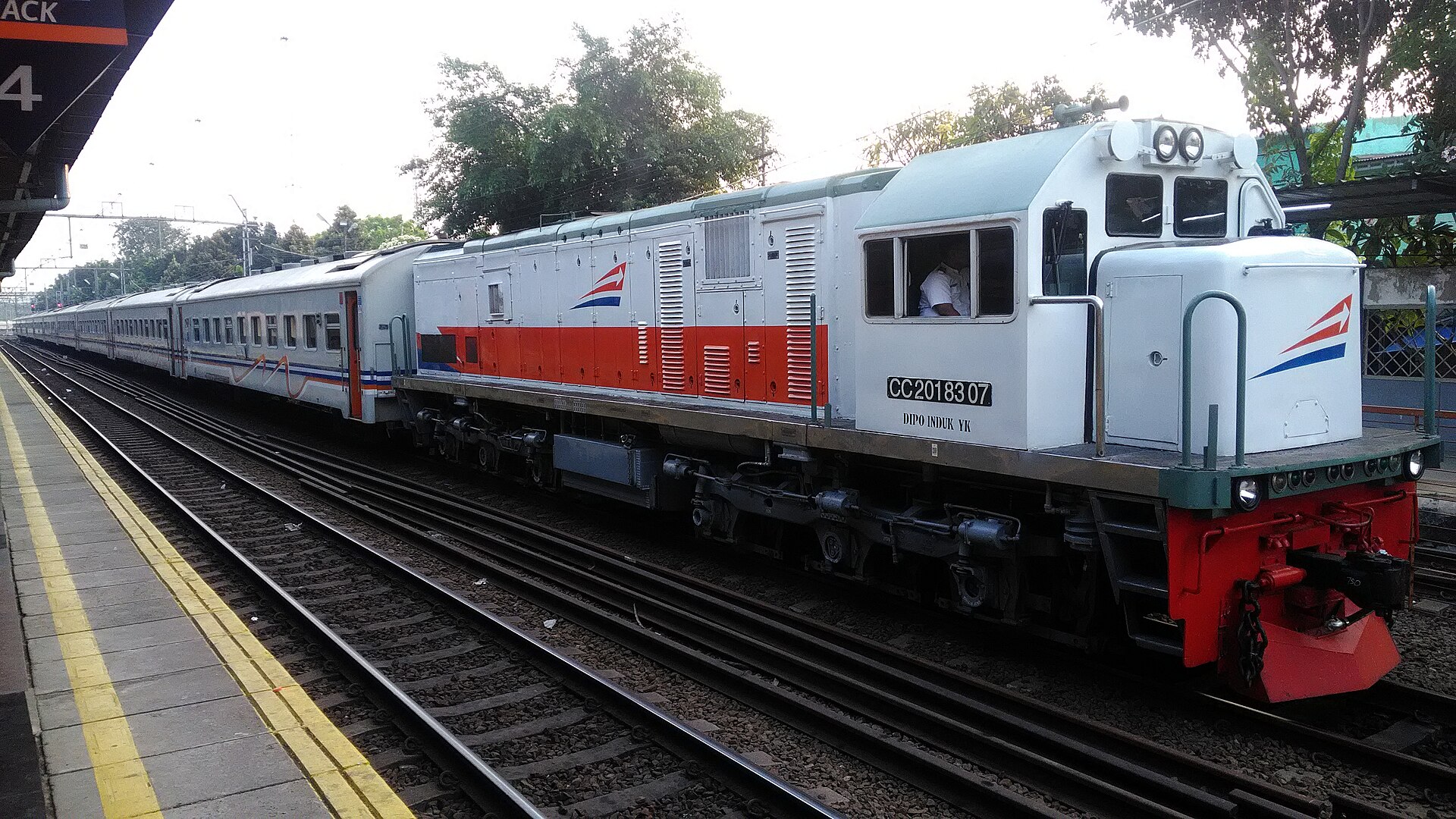
For most backpackers Jakarta is the beginning of a journey east through Java, and the city is a good place to start it.
To Bandung
Two very different options. Whoosh, the high-speed railway, runs from Halim in East Jakarta to Padalarang and Tegalluar near Bandung in 36 minutes direct, for roughly 275,000 to 600,000 depending on class, with promotional fares from around 100,000 that do sell out — book up to a month ahead. The regular trains from Gambir take around three hours and cost less, with lovely scenery once you climb into the hills. Our Jakarta to Bandung guide compares them.
To Yogyakarta and beyond
Around 500 km and seven to eight hours by train. Executive trains such as the Taksaka leave from Gambir and arrive at Yogyakarta Tugu; take the morning departure for the scenery or the overnight one to save a night’s accommodation, which on a backpacker budget is a real saving. Economy trains mostly leave from Pasar Senen, cost considerably less, and generally arrive at Lempuyangan rather than Tugu. Luggage allowance is 20 kg per person and bags go in the overhead racks. Book through KAI’s own app, Traveloka, tiket.com or 12Go.
By bus
Intercity buses leave from big terminals on the edges of the city — Pulo Gebang in the east, Kampung Rambutan in the south-east, Kalideres in the west — and reach everywhere in Java and across to Sumatra via the Merak–Bakauheni ferry over the Sunda Strait. For Java, the train is almost always the better choice; for Sumatra, the bus and ferry is the overland classic.
By air
Domestic flights are cheap and frequent. Jakarta to Bali is just under two hours, and the budget carriers — Lion Air and Indonesia AirAsia among them — undercut the train on the longer routes if you book ahead. Some domestic flights use Halim rather than Soekarno-Hatta, so check which airport before you leave for it. February tends to be the cheapest month.
For shorter escapes before you leave the city, see our best day trips from Jakarta.
Two backpacker days in Jakarta
Day one: the old city
KRL or TransJakarta Corridor 1 to Kota early — before 08:00 if you can manage it. Fatahillah Square while it is cool, then the Jakarta History Museum and the Wayang Museum at 10,000 each. Walk the restored Kali Besar canal, then south into Glodok for lunch in the food lanes around Petak Sembilan and a look inside the Chinese temples. Back to the hostel for the hot hours. In the evening, Jalan Sabang for dinner from the carts. Total for the day, food included, can come in well under 150,000.
Day two: the new city
Monas at 08:00, Istiqlal and the Cathedral before it gets hot. Early lunch at a warteg near Gambir or in a mall food court on Thamrin. MRT south to Blok M in the afternoon, a coffee, the second-hand bookshops, then M Bloc Space as it comes to life in the evening and a late dinner at the stalls around Blok M. Home on the MRT, or a shared Grab if you stayed out late.
With a third day, go to Bogor by KRL, or take the slow boat to Pulau Pari and stay the night. For a fuller multi-day plan with costs, see the Jakarta 3-day itinerary, and for what a trip adds up to in total, the trip cost breakdown.
Frequently asked questions
Is Jakarta good for backpackers?
Yes, if you give it two or three days at the start of a longer trip. It is one of the cheapest capitals in Southeast Asia, the street food is excellent and the public transport costs almost nothing. It is hot, huge and short on obvious sights, so it rewards travellers who like cities for their own sake. With only a week or ten days in Indonesia, most people are better off moving straight on.
Where do backpackers stay in Jakarta?
The historic backpacker street is Jalan Jaksa in Central Jakarta, now quieter than its reputation but still cheap, central and close to the Jalan Sabang food carts. Kota Tua has the most atmospheric hostels, including Wonderloft on the old town square. Blok M is the best area for cheap nights out and is on the MRT.
How much does a hostel cost in Jakarta?
A dorm bed typically costs the equivalent of about €5 to €10 a night, with Wonderloft in Kota Tua from around €9. Private rooms in guesthouses and budget chain hotels start a little above that.
What is the cheapest way from the airport to central Jakarta?
The DAMRI airport bus, at roughly 80,000 to 95,000 to Gambir, Blok M, Rawamangun and other termini. The airport train, at roughly 70,000 to 90,000 to BNI City, is similar in price and avoids the traffic. Split between two or three people, a Grab car is competitive with both.
How do I pay for TransJakarta?
With a stored-value card — a JakLingko card or a bank e-money card such as Mandiri e-money, BCA Flazz, BNI TapCash or BRI Brizzi — bought and topped up at stations and minimarkets. Cash is not accepted. The fare is 3,500 for any journey inside the network, and the same card works on the MRT and KRL.
How many days should a backpacker spend in Jakarta?
Two or three. One day for Kota Tua and Glodok, one for Monas, Istiqlal and the modern city, and a third for Bogor or the Thousand Islands if you have it.
Is it safe to backpack Jakarta alone?
Generally yes. Violent crime against visitors is rare; the realistic risks are phone snatching, pickpocketing on crowded trains and small scams. Women travelling solo can use the women-only carriages on the KRL and the women-only sections on TransJakarta buses.
How do I get from Jakarta to Yogyakarta cheaply?
By economy train from Pasar Senen, which usually arrives at Lempuyangan station, or by overnight executive train from Gambir, which saves a night’s accommodation. The journey takes seven to eight hours. Budget flights are sometimes cheaper if booked well ahead.
Can you buy beer in Jakarta minimarkets?
No. Indomaret and Alfamart no longer sell beer; buy it in supermarkets or bars. Alcohol is heavily taxed, so drinking is by far the fastest way to break a backpacker budget in Jakarta.
To see exactly where the money goes on a rucksack budget, our guide to Jakarta daily budget costs costs a shoestring day line by line, at about 290,000 rupiah including a dorm bed, two museums and three meals, and sets it beside mid-range and comfortable days.
For the individual hostels — Konko on Jalan Kebon Sirih Raya, The Packer Lodge in Glodok, Wonderloft on the Kota Tua square and the city’s capsule hostels — and how to choose between a dorm and a cheap private room, see our guide to budget hostels in Jakarta.
For a fuller plan, our 3-day budget Jakarta itinerary lays out three days hour by hour — the old town, the monuments and a night in Blok M, then Bogor by train — with a running total for each day and swaps for rain and Mondays.
Related Jakarta Guides
- Budget Travel in Jakarta
- Budget Hotels & Hostels in Jakarta
- Cheap Eats in Jakarta
- Free Things to Do in Jakarta
- Jakarta Transportation Costs
- Getting Around Jakarta
- How Much Does a Trip to Jakarta Cost?
- Kota Tua Neighbourhood Guide
- Best Day Trips from Jakarta
- Jakarta Travel Tips
Photo Credits
Independence Day sack race on Jalan Jaksa: Independence day on Jalan Jaksa balap karung by Graham Hills, CC BY 2.0, via Wikimedia Commons.
Long-distance train at Pasar Senen station: KA Jaka Tingkir di Stasiun Pasar Senen by Syaifan Bahtiar Nirwansyah, CC BY-SA 4.0, via Wikimedia Commons.