Most people arrive in North Jakarta expecting one place and find three. There is the Ancol Dreamland resort complex, a walled entertainment estate with its own gate fee. There is the old maritime quarter around Sunda Kelapa, where wooden schooners still load cement by hand. And there is Pantai Indah Kapuk, a reclaimed suburb of boardwalks and Chinese-Indonesian restaurants that looks nothing like the rest of the city. They share a coastline and almost nothing else, and a North Jakarta Ancol guide that treats them as a single destination will send you on a wildly inefficient day. Pick one, maybe two. Trying to do all three in an afternoon means spending most of it in a car.
This sits inside our wider Jakarta neighbourhoods guide, which maps how the city’s districts actually relate to each other. If you are working north to south, it pairs naturally with the Central Jakarta guide for Monas and the museum belt, and with the South Jakarta guide if you are staying in the expat end of town and wondering whether the trip north is worth the traffic. Short answer: yes, but only if you go early and commit to one thing.
The Three North Jakartas, and Why Visitors Conflate Them
North Jakarta (Jakarta Utara) is one of the city’s five administrative municipalities, roughly 147 square kilometres of former swamp, port, fishing kampung and reclaimed land pressed between the city proper and Jakarta Bay. It contains the country’s busiest container port, its biggest theme park, its oldest harbour and its newest luxury housing. It is not a coherent neighbourhood in any sense a visitor would recognise.
The practical split that this North Jakarta Ancol guide works from is this. Ancol Dreamland occupies about 550 hectares of the central waterfront, from roughly Jalan Lodan east to Marina. It is gated, ticketed and self-contained. Two kilometres west of Ancol’s gate, the old harbour district runs from Pasar Ikan through Sunda Kelapa and inland toward Kota Tua, and this is the historic north: low, cramped, working, and genuinely old. Ten kilometres further west again, past Pluit and across the reclaimed flats, sits Pantai Indah Kapuk and its enormous younger sibling PIK 2, which is a private development in everything but name.
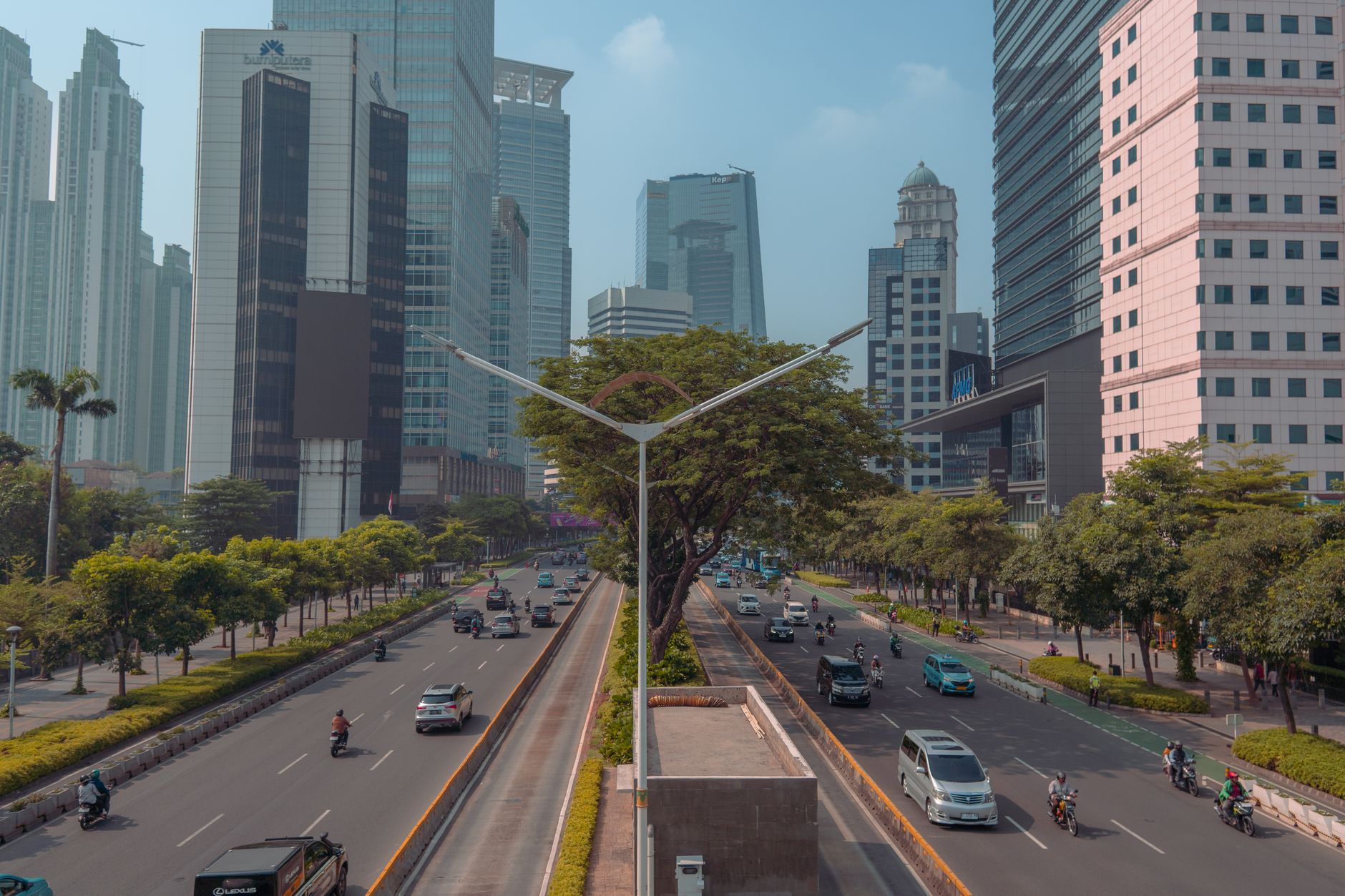
The distances look modest on a map and are punishing in practice. Ancol to Sunda Kelapa is about 5 km and takes 15 minutes at seven in the morning or 45 at five in the afternoon. Ancol to Pantjoran PIK is around 18 km via the Sedyatmo toll road and will cost you 40 to 70 minutes depending on the hour. From Menteng or SCBD, budget 45 to 90 minutes each way just to reach the coast. Our notes on avoiding Jakarta traffic apply with double force up here, because North Jakarta’s road network is thin, toll-dependent and shared with container lorries.
Ancol Dreamland: The Gate Ticket Trap
This is the single thing most first-timers get wrong, and it costs them money and temper. Ancol charges a gate ticket to enter the estate. That gate ticket does not include a single attraction. It buys you the right to walk in.
The gate fee runs around IDR 25,000 to 35,000 per person on foot, with vehicles charged separately — expect roughly IDR 25,000 for a motorbike and IDR 30,000 to 45,000 for a car on top of the per-head charge. Prices tend to rise on weekends and public holidays and Ancol adjusts them without much notice, so treat any figure you read as a floor rather than a quote. Once inside, every major attraction has its own turnstile and its own price.
Dunia Fantasi, universally called Dufan, is the big one: an actual theme park with something like 30 rides across themed zones. Reckon on IDR 200,000 for a weekday adult ticket and IDR 275,000 to 300,000 at weekends and during school holidays, with children’s rates a little lower and under-100cm entry usually free. Atlantis Water Adventure, the water park, sits around IDR 120,000 to 180,000 depending on the day. SeaWorld Ancol, the aquarium, is roughly IDR 85,000 to 150,000. Ocean Dream Samudra, the marine mammal and bird show park, lands in a similar band. Add the gate fee to any of those and a family of four can pass IDR 1,200,000 before buying a single drink.
Ancol sells combination and annual passes through its own app and through Traveloka, Tiket.com and Klook, and the online price is almost always below the counter price. Buy ahead. The queue for the physical ticket window on a Saturday morning is its own attraction, and not a good one.
| Ancol attraction | Typical adult price (IDR) | Hours (approx.) | Worth it? |
|---|---|---|---|
| Gate entry only | 25,000–35,000 per person, plus vehicle | Complex open 24h; attractions vary | Only if you are here for the beach, Pasar Seni or a seafood dinner |
| Dunia Fantasi (Dufan) | 200,000 weekday / 275,000–300,000 weekend | Roughly 10:00–18:00, later in holidays | Yes, if you like theme parks and go on a weekday |
| Atlantis Water Adventure | 120,000–180,000 | Roughly 09:00–18:00 | Good for younger children; skip if you have seen better |
| SeaWorld Ancol | 85,000–150,000 | Roughly 09:00–18:00 | Decent hour indoors, small by international standards |
| Ocean Dream Samudra | 90,000–150,000 | Roughly 09:00–17:00 | Depends how you feel about captive marine mammals |
| Pasar Seni art market | Free with gate ticket | Roughly 08:00–18:00, longer at weekends | Yes, genuinely pleasant and costs nothing extra |
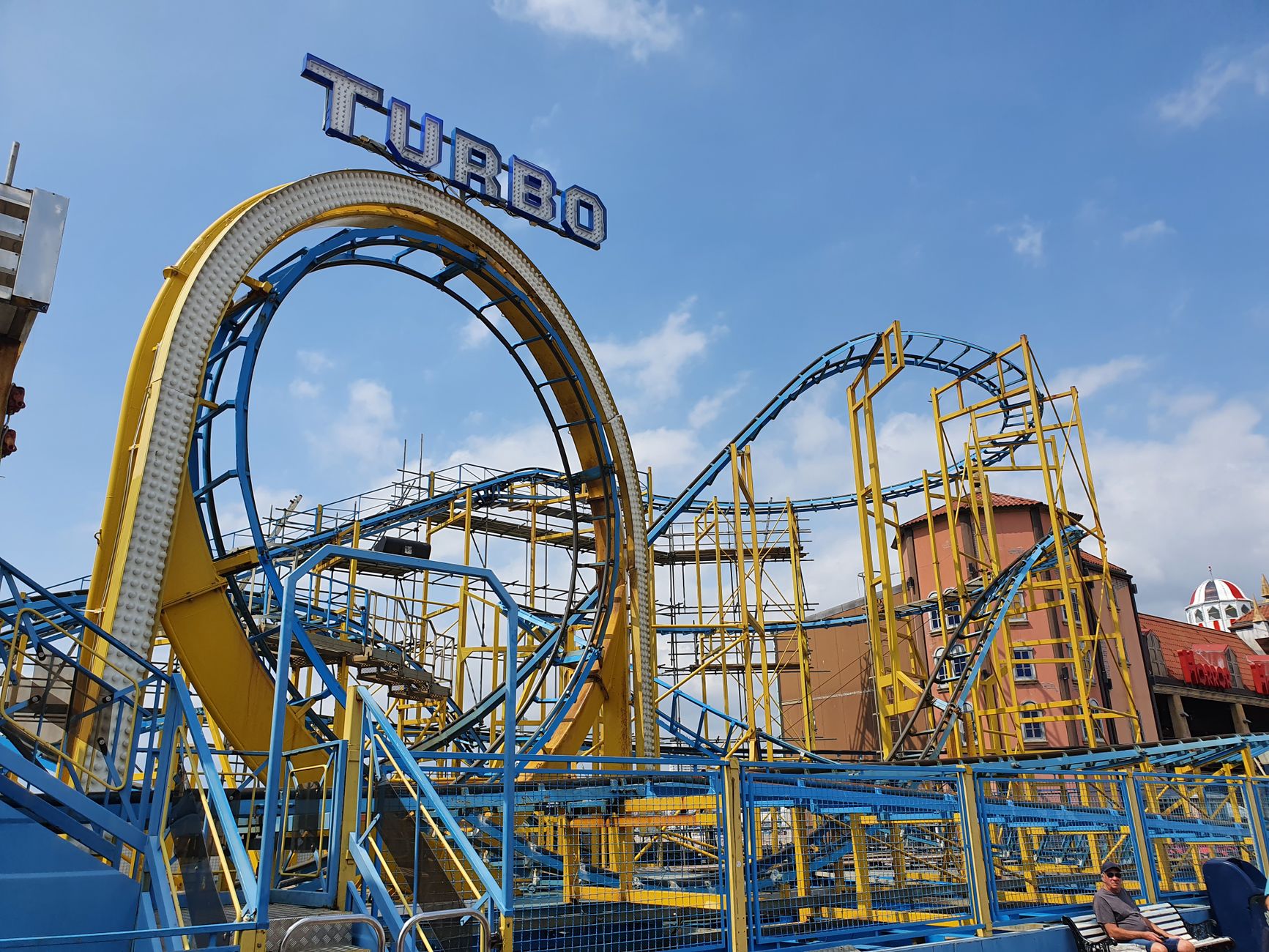
Of the paid attractions, Dufan is the only one I would cross the city for. It is not Universal Studios, the queues at weekends are brutal, and several rides rotate through maintenance closures, but it is a real theme park with real roller coasters and the Halilintar and Hysteria still deliver. SeaWorld and Ocean Dream Samudra are fine hours if it is pouring — see our roundup of indoor attractions in Jakarta for better wet-weather options closer to the centre. Atlantis is a competent water park that becomes a human soup after eleven on a Sunday.
Pasar Seni and the free half of Ancol
Pasar Seni is the part of Ancol nobody plans for and quite a few people end up liking most. It is an art market and craft village near the western end of the complex: studios, painters working in the open, ceramic and woodcarving stalls, a scattering of cafes, and prices that are negotiable but not aggressive. It opens roughly 08:00 to 18:00 on weekdays and stretches later on Saturdays and Sundays. There is no additional charge beyond the gate ticket. If you want to compare what is on offer against the city’s other options, our guide to Indonesian handicrafts in Jakarta covers where the same goods cost less.
The rest of the free zone is the beachfront promenade, the cycling and jogging paths, Ecopark’s outer areas, the marina, and a long strip of restaurants including the well-known Bandar Djakarta seafood operation at the eastern end. Plenty of Jakartans buy a gate ticket, walk the seawall at sunset, eat, and leave. That is a legitimate way to use Ancol and costs under IDR 50,000 before dinner.
Are the beaches swimmable? No.
Be clear about this before you pack a swimsuit. Ancol’s beaches — Pantai Festival, Pantai Lagoon, Pantai Carnaval — are shallow, grey-brown, and sit directly at the outfall of a metropolitan area of more than 30 million people with incomplete sewerage. Jakarta Bay routinely records poor water quality, and after heavy rain the visible debris load along the shoreline is genuinely unpleasant. Locals paddle. Children play at the waterline. Almost nobody actually swims, and reviews mentioning rubbish in the water and sharp fragments on the seabed are not exaggerating.
Treat Ancol’s beaches as a promenade with sand rather than as a beach. If you want water you can get into, the Thousand Islands are the answer and they leave from here, which we cover further down. Ancol’s own pools and the Atlantis water park are chlorinated and fine.
Weekday versus weekend
Ancol on a Saturday or Sunday, and especially during Lebaran week or the June–July school holidays, receives crowds in the tens of thousands. Car parks fill by mid-morning, the internal shuttle buses run standing-room, and Dufan queues stretch past an hour for the headline rides. On a Tuesday in term time the same park is close to empty and the ticket costs a third less.
If you have any flexibility at all, go Tuesday to Thursday, arrive at opening, and be finished by three. The complex itself is technically accessible around the clock, but individual attractions close between 17:00 and 18:00 and the estate empties fast after dark on weekdays.
The Old Maritime North: Sunda Kelapa and Pasar Ikan
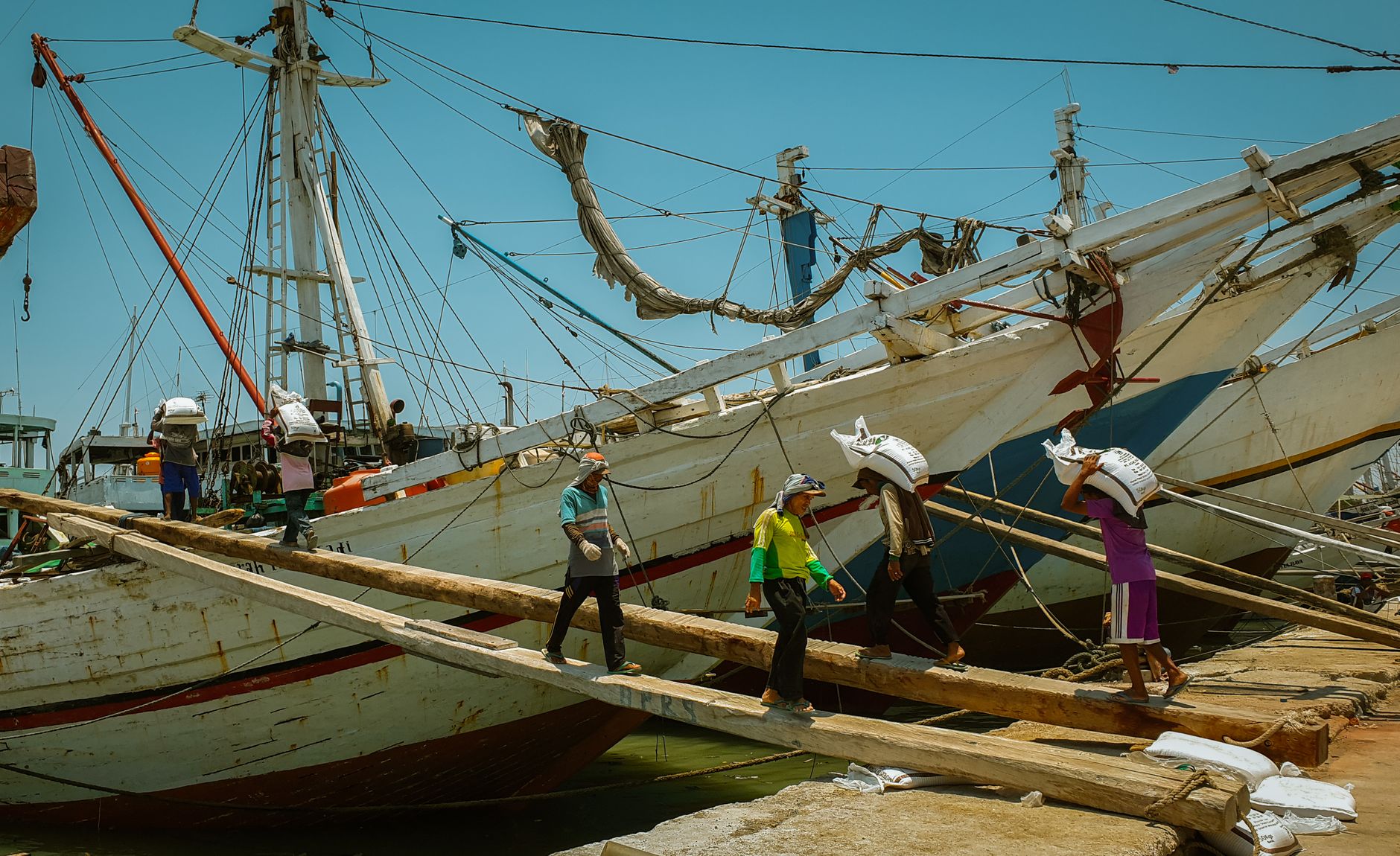
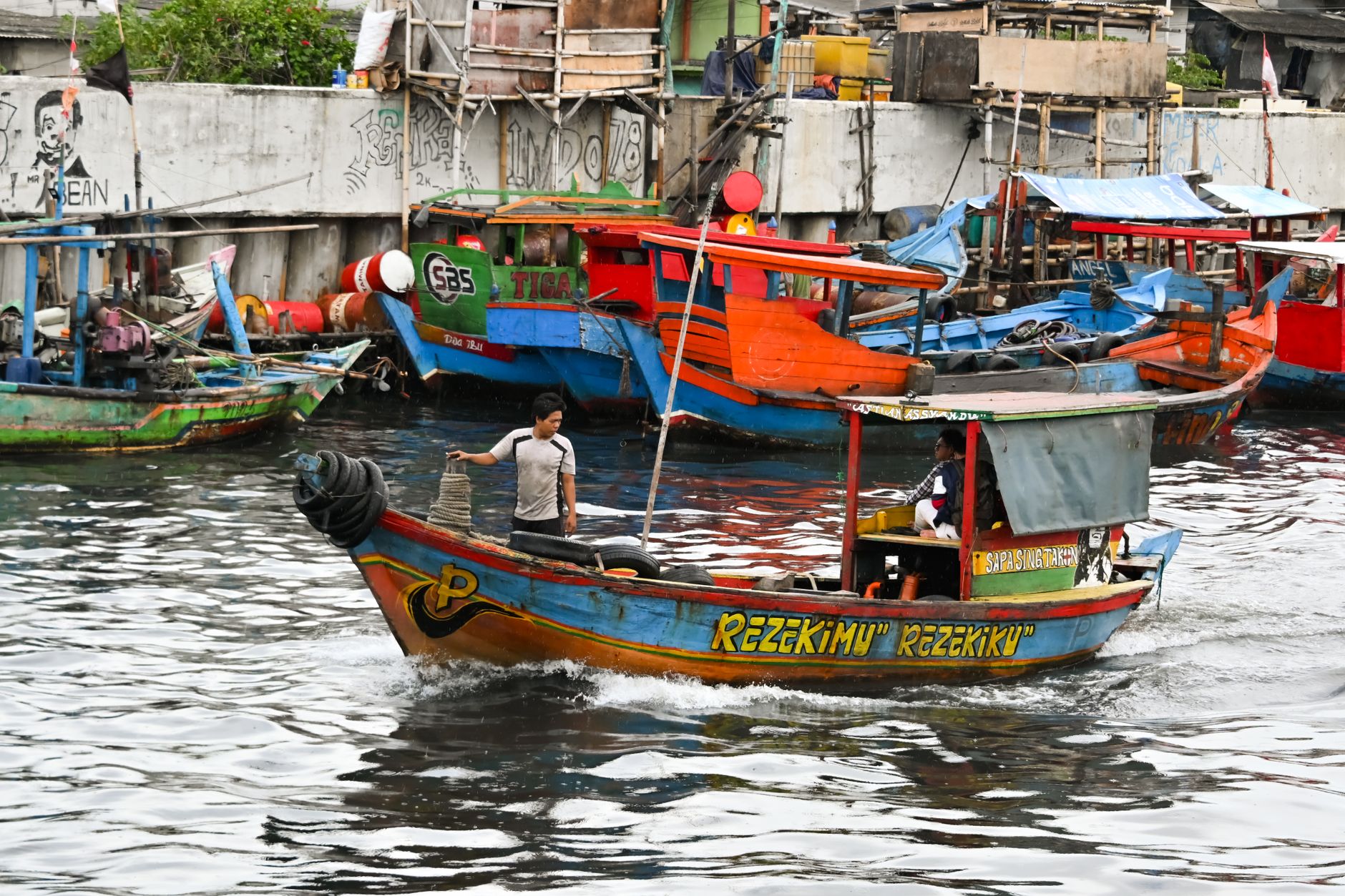
Five kilometres west of Ancol’s gate, and about 350 years older in feel, is the harbour that started the city. Sunda Kelapa was the Sundanese port the Portuguese negotiated for, the Dutch seized in 1619, and the reason Batavia exists. It is still a working harbour, which is the point. Wooden pinisi schooners — two-masted, high-prowed, painted in reds and blues — moor stern-in along a kilometre of quay, loading timber, cement and consumer goods for Kalimantan, Sulawesi and the eastern islands. Crews live aboard. Men walk cargo up flexing planks with no safety equipment whatsoever.
Entry costs a nominal fee, typically IDR 5,000 to 10,000 for Indonesians and a little more for foreigners, collected at the gate on Jalan Maritim. Boatmen will offer to row you along the line of hulls for something in the IDR 50,000 to 150,000 range depending on your bargaining and how many of you there are. It is worth doing once. Agree the price and the duration before you step in.
Go early. The light is better before nine, the heat is survivable, and the loading is actually happening. By noon the quay is a hot concrete strip with nothing much moving. Wear closed shoes. This is an industrial site that happens to be photogenic, not a heritage attraction with railings.
Museum Bahari and Menara Syahbandar
A few hundred metres inland, in a row of Dutch East India Company warehouses built between 1652 and 1771, sits Museum Bahari, the maritime museum. It burned badly in January 2018, losing a substantial part of its collection, and reopened progressively afterward. The current display is a mixture of ship models, navigational instruments, regional boat types and VOC-era trade history, housed in what is arguably the best-preserved warehouse architecture in Jakarta. The building is the exhibit.
Hours are typically Tuesday to Sunday, roughly 09:00 to 15:00, closed Mondays and public holidays. Entry has been quoted anywhere from IDR 5,000 for Indonesian adults up to around IDR 50,000 for foreign visitors, and sources disagree; carry small notes and expect the higher end. The ticket normally also covers Menara Syahbandar, the 1839 harbourmaster’s watchtower about 100 metres away, which leans noticeably and offers a view over a port that no longer needs watching. Both close early. Do not turn up at two thinking you have the afternoon.
Pasar Ikan, the old fish market beside the museum, is not what it was. Much of the historic kampung was cleared in 2016 during the Luar Batang evictions and the area has been progressively rebuilt as flats and a tidier market. There is still fish being sold and still a rough, salty atmosphere, but if you are hunting the photogenic chaos that older guidebooks describe, it has largely gone.
How the maritime north joins Kota Tua
Sunda Kelapa sits roughly 1.5 to 2 km north of Fatahillah Square, and the two form a single logical morning if you are willing to walk part of it or take a short Grab hop. The historic route runs down Jalan Kakap and Jalan Nelayan past Kali Besar, the old canal, into the colonial core. It is not a pleasant walk in the middle of the day — narrow pavements, lorries, no shade — but at seven in the morning it is fine and it is how the city was actually laid out.
Most people do it the other way: Kota Tua first, then north by Grab for IDR 15,000 to 25,000. Our Kota Tua walking tour maps a 2.5-hour self-guided route through the colonial square and its museums, and the wider background on how the Dutch built the place is in our piece on colonial Jakarta architecture and history. Doing Kota Tua at 08:00 and Sunda Kelapa at 10:30 is the efficient order, because the museums open at nine and the harbour is workable until about eleven before the heat wins.
PIK and PIK 2: The New Waterfront
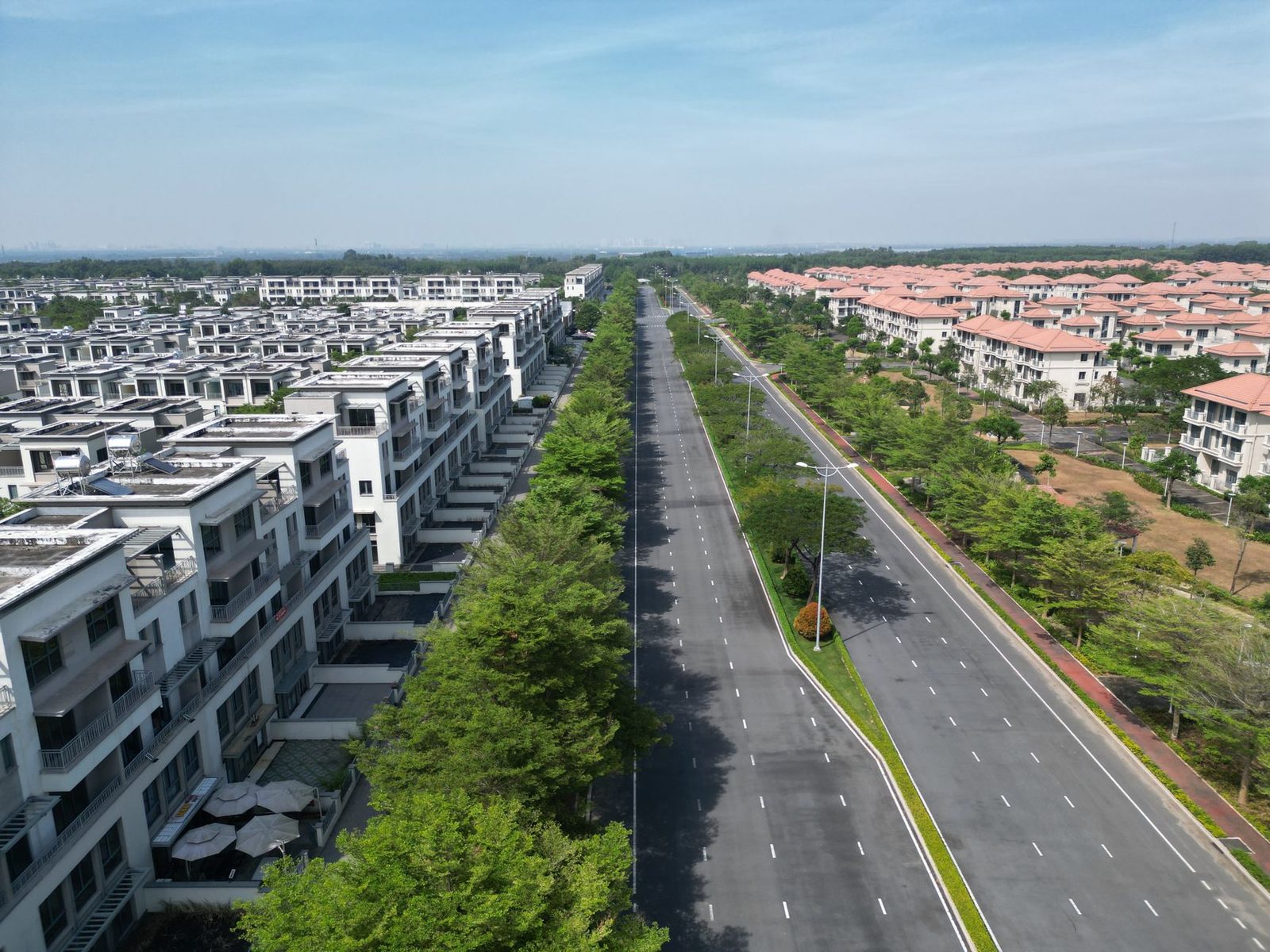
Pantai Indah Kapuk began as reclaimed and drained mangrove land in the 1990s and became one of Jakarta’s wealthiest residential districts. PIK 2, its far larger successor, has been expanding westward across reclaimed coastline since the late 2010s and is still very much a building site in parts. Together they constitute the biggest privately developed urban area in Indonesia, and they feel it.
What draws visitors is food and photographs. The original PIK’s Jalan Pantai Indah Utara and the Golf Island area hold a dense concentration of Chinese-Indonesian restaurants, bakeries, dessert shops, coffee bars and late-opening noodle places. Standards are high and prices are Jakarta-mid: a decent bowl of bakmi for IDR 45,000 to 70,000, a proper Chinese-Indonesian dinner for two at IDR 400,000 to 800,000 before the usual 21% service and tax. If you are working through the city’s food scene generally, our Jakarta food guide puts PIK in context against Glodok, Kelapa Gading and Senopati.
Pantjoran PIK and the boardwalk
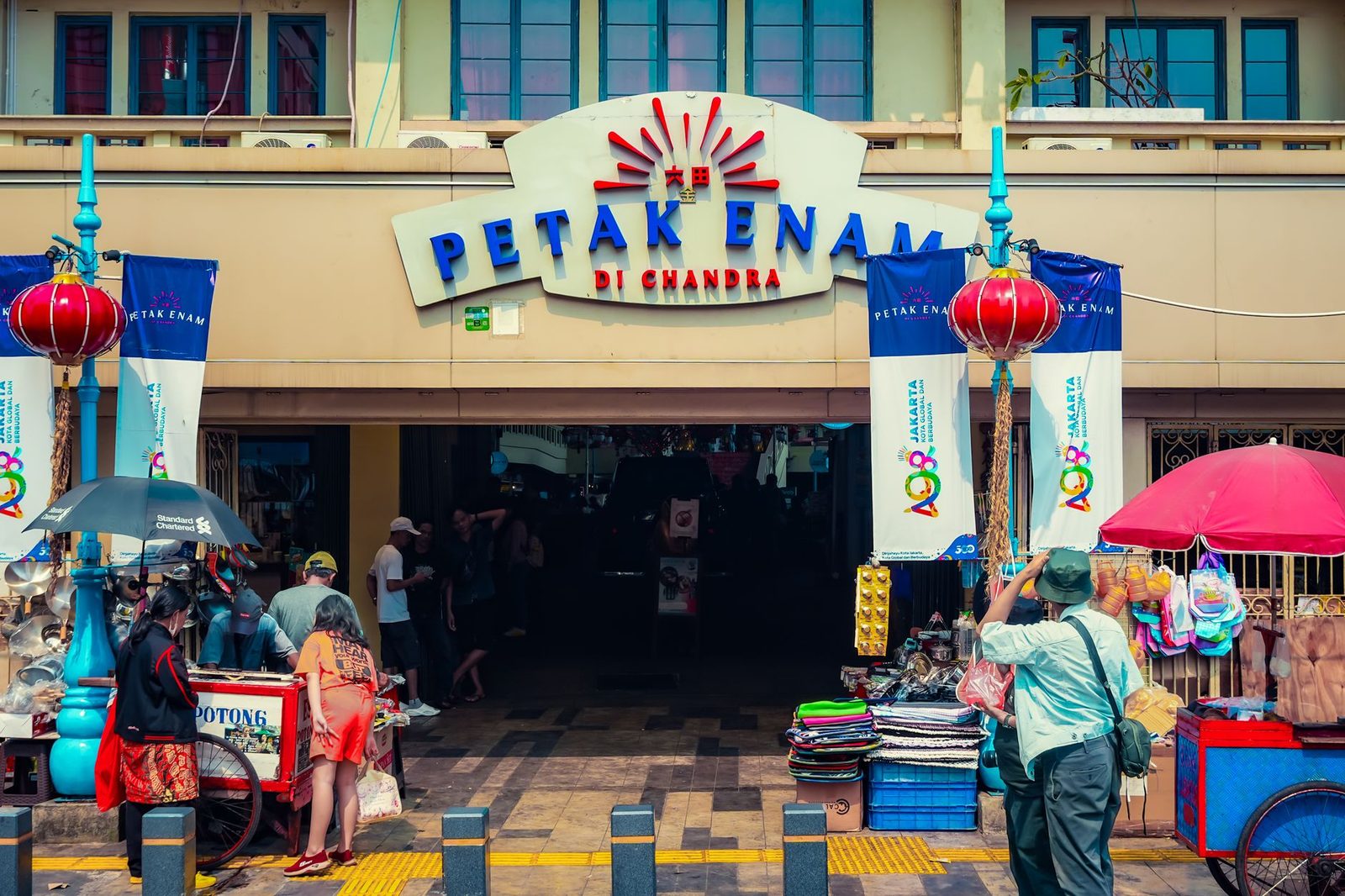
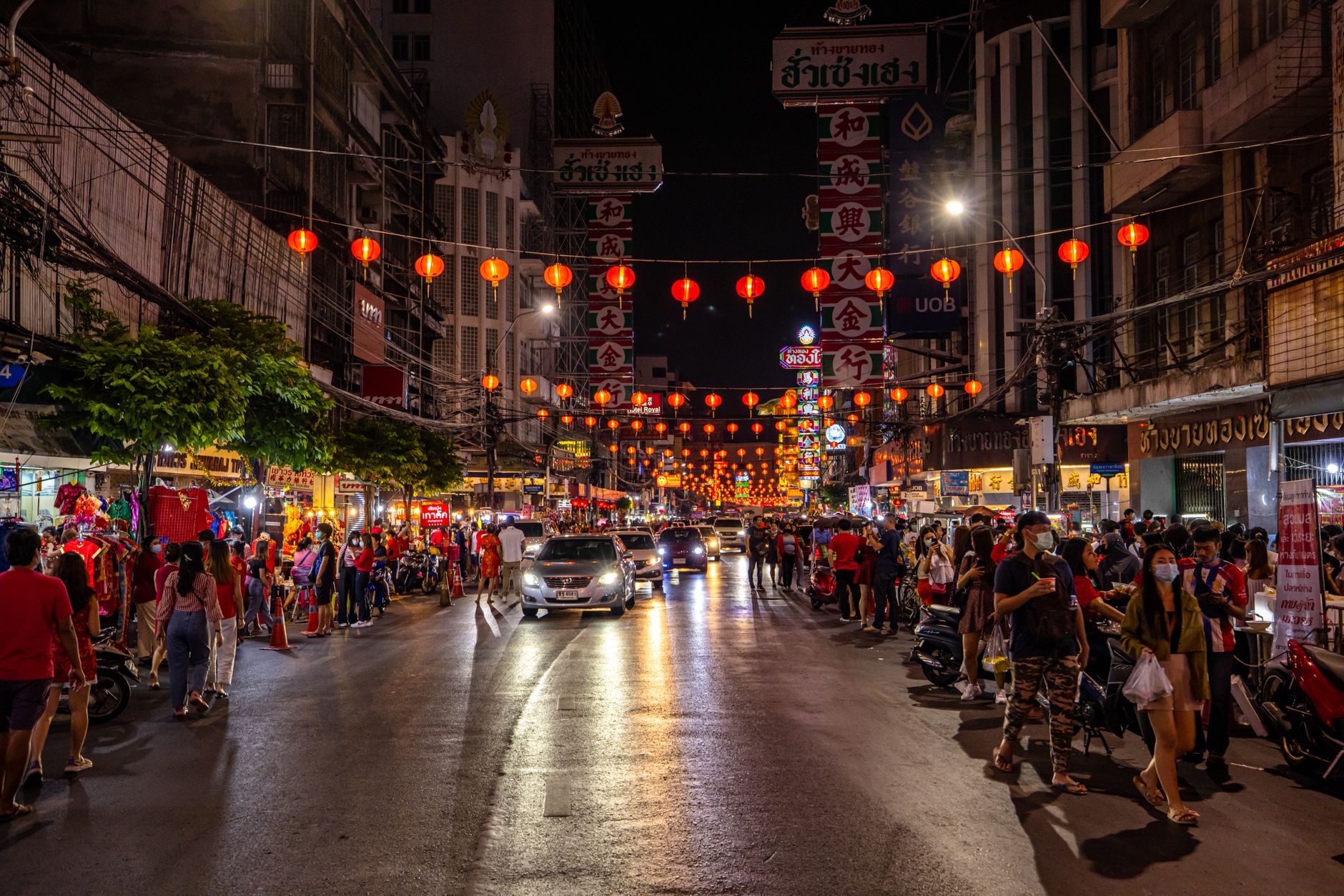
Pantjoran PIK, in PIK 2, is the headline attraction: a purpose-built Chinatown-styled food street with red lanterns, a large pagoda, temple-inspired gates and something like a hundred food tenants. It opens roughly 10:00 to 22:00 daily, entry is free, and the best time to arrive is around 16:30 so you get the light and then the lanterns. It is unapologetically constructed. It is also, on its own terms, well done — the food is decent, the halal and non-halal sections are clearly marked, and it is one of very few places in Jakarta designed for people to walk in.
The adjacent boardwalk and the Aloha PIK beach club area give you actual sea views, a wooden promenade, and sunsets that are genuinely good because the haze over Jakarta Bay does interesting things to the light. Parking is the main pain point: weekend evenings fill the lots and the access roads back up badly.
Does PIK feel like Jakarta? Honestly, not really
This is worth saying plainly. PIK 2 has wide clean roads, enforced traffic rules, no street vendors except the ones inside the developer’s own concept zones, a lot of European-pastiche architecture, and almost no poor people visible anywhere. Depending on your temperament that is either a relief after a week in the city or the least interesting possible use of a day in Indonesia.
My position: PIK is worth one evening for dinner, and only if you are already staying in the north or west of the city. If you are based in Menteng or Kemang, a two-hour round trip in traffic to eat food you can get closer to home is a poor trade. Glodok’s Chinatown, forty minutes from most of central Jakarta, gives you the same cuisine with three centuries of history attached, and the Tian Hou temple and its neighbours there are the real article rather than a rendering of one.
Seafood: How the Buy-Then-Cook System Actually Works
North Jakarta is where the city eats fish, and the format that makes it interesting is the buy-then-cook model. You choose raw seafood by weight from a wet market or a display tank, pay for it, and then hand it to an adjoining kitchen that charges a separate cooking fee per kilo or per item. You are effectively buying ingredients and labour separately, and it is dramatically cheaper than a restaurant that bundles the two.
The main venues are Muara Angke and Muara Karang, both in the far northwest, plus the tank-and-grill restaurants around Pluit and the polished version of the same idea at Bandar Djakarta inside Ancol.
Muara Angke
Muara Angke is a working fishing port and wholesale fish market, not a tourist site. It smells like one. The market runs effectively around the clock with the heaviest trading in the early morning and again in the late afternoon when boats land. Raw prices are the lowest in the city: reef fish from roughly IDR 30,000 to 60,000 per kilo, prawns from around IDR 60,000 to 120,000 depending on size, squid in the IDR 40,000 to 70,000 band, mud crab and lobster considerably higher and worth checking against a phone before you commit. Bargaining is normal and expected.
Cooking stalls sit on the upper level and around the edges, charging roughly IDR 25,000 to 50,000 per kilo to grill, fry or cook your haul in a sauce, plus small charges for rice, sambal and vegetables. A serious seafood meal for two comes in around IDR 150,000 to 250,000 total. The catch is the environment: wet floors, strong smells, poor lighting, and no English. Go with someone who speaks Indonesian if you can, and wear shoes you do not care about.
Muara Karang and Pluit
Muara Karang is the civilised version. Jalan Muara Karang Raya and the surrounding blocks in Pluit hold a dense run of seafood restaurants ranging from open-sided warungs to full Chinese-Indonesian banquet halls. You still select from tanks, you still pay by weight, but there are tables, air conditioning in the better places, and menus. Expect IDR 150,000 to 350,000 per head at the mid-range places and IDR 80,000 to 150,000 at the simpler ones. This is where Jakartans go for a family seafood dinner, and the standard is high.
Bandar Djakarta inside Ancol is the tourist-facing take: a huge waterfront pavilion where you walk a market floor of tanks and iced displays, pick, choose a cooking style from a list, and get seated at a table over the water. It works, the setting is good at sunset, and you pay for it — figure IDR 250,000 to 500,000 per person once you have added the cooking charges, drinks and the 21% service and tax. Our roundup of the best seafood restaurants in Jakarta compares these against the south-side alternatives.
| Where | Format | Cost per head (IDR) | Suits |
|---|---|---|---|
| Muara Angke fish market | Buy raw by kilo, pay a stall to cook it | 75,000–125,000 | Adventurous eaters, early risers, anyone with an Indonesian friend |
| Muara Karang / Pluit restaurants | Pick from tanks, seated service | 150,000–350,000 | Families and groups wanting quality without theatre |
| Bandar Djakarta, Ancol | Market hall then table over the water | 250,000–500,000 | Sunset dinner, visitors, big occasions |
| Pantjoran PIK food street | Stalls, order and sit | 60,000–150,000 | Casual grazing, families, evening atmosphere |
Thousand Islands Ferries from Ancol and Kali Adem
The Kepulauan Seribu, the Thousand Islands, are the only genuinely swimmable water within reach of Jakarta, and both departure points are in North Jakarta. Which one you use changes the day substantially.
Kali Adem, the public harbour beside Muara Angke, runs government-subsidised and privately operated wooden ferries. Departures cluster between roughly 07:00 and 09:00, with the main run leaving around 07:00 and more services at weekends. Fares are low — commonly IDR 50,000 to 90,000 one way to the nearer inhabited islands like Pramuka, Tidung or Harapan — and the boats are slow, taking two to three hours. They are also crowded, basic, and cancel in rough weather, which is common between November and March.
Marina Ancol, inside the Ancol complex, runs faster private speedboats to the same islands plus the private resort islands. Departures are usually around 08:00 with returns in the early afternoon, journey times are roughly half, and fares run IDR 160,000 to 300,000 one way. You also pay the Ancol gate fee to reach the marina. Book ahead; these are not walk-up services in high season.
Two practical warnings. Return departures are early — often 12:00 to 14:00 from the islands — so a day trip gives you three or four hours there, not a full day. And in wet season the crossing can be genuinely rough and services get pulled at short notice. If you want the islands properly, stay overnight. Our list of day trips from Jakarta weighs the islands against Bogor, Bandung and the Thousand Islands’ inland alternatives.
The Sinking Coast: Subsidence, Flooding and the Sea Wall
You should understand what you are standing on. North Jakarta is subsiding, in places by several centimetres a year and historically by as much as 10 to 25 cm annually in the worst-affected pockets around Muara Baru and Penjaringan. The primary cause is groundwater extraction from beneath the city combined with the weight of construction on soft alluvial soil. Roughly 40% of Jakarta now sits below sea level, and the figure grows.
The visible consequence is rob, tidal flooding, which arrives without rain when a high spring tide coincides with a full or new moon. BMKG, the meteorological agency, issues warnings for these windows several times a year and the low-lying coastal kampungs flood on schedule. You will see the evidence everywhere in the north: houses whose ground floors are now half-buried, roads resurfaced repeatedly and still dipping, and long stretches of concrete sea wall that stand well above the streets behind them.
The proposed answer is the Giant Sea Wall, a coastal and river dike project of around 120 km along the north Java coast, discussed for over a decade and given fresh political momentum in 2025 and 2026, with a target horizon around 2030 and cost estimates in the tens of billions of dollars. Engineers and environmental researchers are broadly sceptical that a wall alone helps if groundwater extraction continues, and the fishing communities on the wrong side of the reclamation have been vocal about the cost to their livelihoods. None of this stops you visiting. It does explain why the coast looks the way it does.
The related honesty item is air and water quality. Jakarta’s air is poor for much of the dry season, and the north, with the port, the industrial belt and the coal-fired power stations in nearby Banten, is not the clean end of the city. Check an AQI app before committing to a full outdoor day at Ancol. Our general Jakarta travel tips cover masks, timing and what the readings actually mean for a short visit.
Getting There, and the Long Ride Home
There is no MRT to North Jakarta. The Jakarta MRT North–South line currently terminates at Bundaran HI, with the northern extension toward Kota still under construction, so the metro is no help for Ancol, Sunda Kelapa or PIK. That leaves three options.
The KRL Commuter Line reaches Jakarta Kota station, which is the front door for Kota Tua and about a IDR 15,000 to 25,000 Grab hop from Sunda Kelapa. It also serves Kampung Bandan and Ancol stations on the Tanjung Priok branch, though that line runs infrequently and Ancol station is a 20-minute walk from the actual gate. Fares are IDR 3,000 to 6,000. See our KRL Commuter Line guide for how the fare card and the interchange at Manggarai work.
TransJakarta runs several corridors north, including services along Jalan Gunung Sahari to Ancol and westward toward Pluit and Penjaringan. Fares are IDR 3,500 flat and most corridors stop running around 22:00 with only limited night routes after that. It is slow but it is immune to nothing — the buslanes in the north are less well segregated than in the centre. The TransJakarta guide explains the corridor numbering, and the JakLingko card is the simplest way to pay across both bus and train.
Realistically, most visitors use Grab or Gojek. From Menteng or Sudirman to Ancol is around IDR 60,000 to 100,000 in a GrabCar and 35 to 70 minutes. To PIK 2 the fare rises to IDR 100,000 to 160,000 with tolls, and the time can double at rush hour. Motorbike taxis are half the price and a third of the time but you are on an arterial road shared with lorries, which is a different risk profile. Our comparison of Grab versus Gojek covers which app tends to be cheaper at which hours, and Jakarta transport costs has the fare bands in full.
| Area | From central Jakarta | Best for | Avoid if |
|---|---|---|---|
| Ancol Dreamland | 35–70 min by car; TransJakarta to Ancol gate | Families, theme parks, sunset seafood | It is a weekend or a school holiday |
| Sunda Kelapa / Pasar Ikan | 30–50 min; KRL to Jakarta Kota then 10 min Grab | Photography, maritime history, early mornings | You are arriving after 11:00 in the dry season |
| PIK and PIK 2 | 50–90 min by car via Sedyatmo toll | Dinner, boardwalk, Chinese-Indonesian food | You want anything that feels historically Indonesian |
| Muara Angke / Muara Karang | 45–80 min by car | Seafood at the source, fish market atmosphere | You are squeamish about wet markets |
Using This North Jakarta Ancol Guide: How I Would Spend the Day
If you have one day and children, do Ancol on a weekday. Leave your hotel at 07:30, be through the gate by nine, buy Dufan tickets online the night before, ride until two, eat at Bandar Djakarta or a food court, walk Pasar Seni, and be out before the evening traffic sets. That is a full and satisfying day and it is the single best family use of North Jakarta. Cross-reference our list of things to do in Jakarta with kids for the alternatives if the forecast is bad.
If you have one day and no children, skip Ancol entirely. Take the KRL to Jakarta Kota at 07:30, walk Kota Tua while it is cool, eat your way through it — the Kota Tua food walk covers where — then Grab north to Sunda Kelapa and Museum Bahari before they close at three. That gives you the oldest and most interesting version of North Jakarta and costs less than IDR 200,000 including transport and entries.
If you have an evening only, PIK for dinner if you are staying in the north or west, and Bandar Djakarta or Muara Karang if you are not. Do not attempt Ancol’s attractions and PIK in the same day. The 18 km between them will eat two hours you cannot get back.
North Jakarta Ancol Guide: Frequently Asked Questions
Is the Ancol gate ticket included with a Dufan ticket? Not usually. Some online bundles from Traveloka, Klook or Ancol’s own app roll the gate fee into the attraction price, but the standard walk-up arrangement is that you pay the gate fee of around IDR 25,000 to 35,000 per person, plus a vehicle charge if you drive, and then pay separately at each attraction turnstile. Always read what a bundle actually includes before buying.
Can you swim at Ancol beach? You can enter the water and people do, but Jakarta Bay has persistent water quality problems from untreated wastewater and river outflow, and after rain the visible debris is significant. Treat the beaches as a promenade rather than a swimming destination. For clean water within reach of the city, take a boat to the Thousand Islands from Marina Ancol or Kali Adem instead.
How long does it take to get to North Jakarta from the city centre? Ancol is typically 35 to 70 minutes by car from Menteng or Sudirman depending on the hour. Sunda Kelapa is 30 to 50 minutes, or faster via the KRL to Jakarta Kota followed by a short Grab. PIK 2 is the outlier at 50 to 90 minutes each way via the Sedyatmo toll road, which is why an evening there is really a four-hour commitment.
Is Sunda Kelapa harbour safe to visit? Yes, with normal care. It is a working port rather than a managed attraction, so there are no barriers, the quay edges are unguarded and cargo is moving. Wear closed shoes, keep your phone secure, agree boat prices before boarding, and go in the morning. Solo visitors report no particular problems, though the area is quiet and industrial rather than busy with tourists.
What does this North Jakarta Ancol guide recommend for a rainy day? SeaWorld Ancol and Ocean Dream Samudra’s indoor sections work, and Museum Bahari’s warehouse galleries are covered. Honestly though, a wet day in the north is a poor use of the trip given the travel time. Kota Tua’s museums or the malls and galleries of the centre are a better fallback, and the north’s roads flood readily in heavy rain.
Is PIK worth visiting for a short trip? Only if you have four or more days in Jakarta and a specific reason, such as dinner with local friends who live out there. On a two or three-day visit the travel time is hard to justify when Glodok offers similar food with genuine history. If you do go, aim for Pantjoran PIK around 16:30 and stay for the lanterns and the boardwalk at dusk.
When do the Thousand Islands ferries leave? The public wooden ferries from Kali Adem beside Muara Angke depart mostly between 07:00 and 09:00, cost roughly IDR 50,000 to 90,000 one way and take two to three hours. Speedboats from Marina Ancol usually leave around 08:00, cost IDR 160,000 to 300,000 and halve the journey. Returns are early, often between 12:00 and 14:00, so plan an overnight if you want real beach time.
Is North Jakarta flooding a problem for visitors? Occasionally. Tidal flooding hits the low-lying coastal kampungs several times a year around spring tides, and heavy rain between November and March can close roads in Penjaringan, Pluit and Muara Angke for a few hours. Ancol itself drains reasonably well. Check BMKG warnings in wet season and keep your plans flexible on days with heavy forecast rain.
Where to Go Next
North Jakarta makes most sense alongside the districts it borders. Walk south from Sunda Kelapa into the colonial core with our Jakarta History Museum guide, or work through the wider collection in Jakarta’s museums and cultural sites. If Ancol’s attractions have you thinking about the rest of the city’s headline sights, our list of the best attractions in Jakarta ranks them honestly, and things to do in Jakarta covers the wider spread.
For structuring a whole trip around all this, the two-day Jakarta itinerary shows where the north fits when time is tight, and getting around Jakarta is the piece to read before you book anything north of the toll road.
For families, Ancol is the highest concentration of things to do anywhere in the city — Dufan, Atlantis, Sea World and Jakarta Bird Land inside one gate. Our guide to the best family-friendly attractions in Jakarta explains how the separate gate fee works, which units suit which ages, and why a weekday visit is worth rearranging a trip for.
The aquarium at the heart of the complex deserves its own treatment: 28 displays, a shark tank with sawfish and hammerheads, a supervised touch pool and the Antasena Tunnel. Our Sea World Ancol guide covers tickets, hours, feeding times and how to combine it with Samudra, Atlantis or Dufan in a single day.
The theme park is the biggest single draw inside the complex and the one that takes a full day. Our Dunia Fantasi guide covers Halilintar, Hysteria and the rest, explains how the 35,000 Ancol gate fee sits on top of the ticket, and says plainly which ages the park does and does not suit.